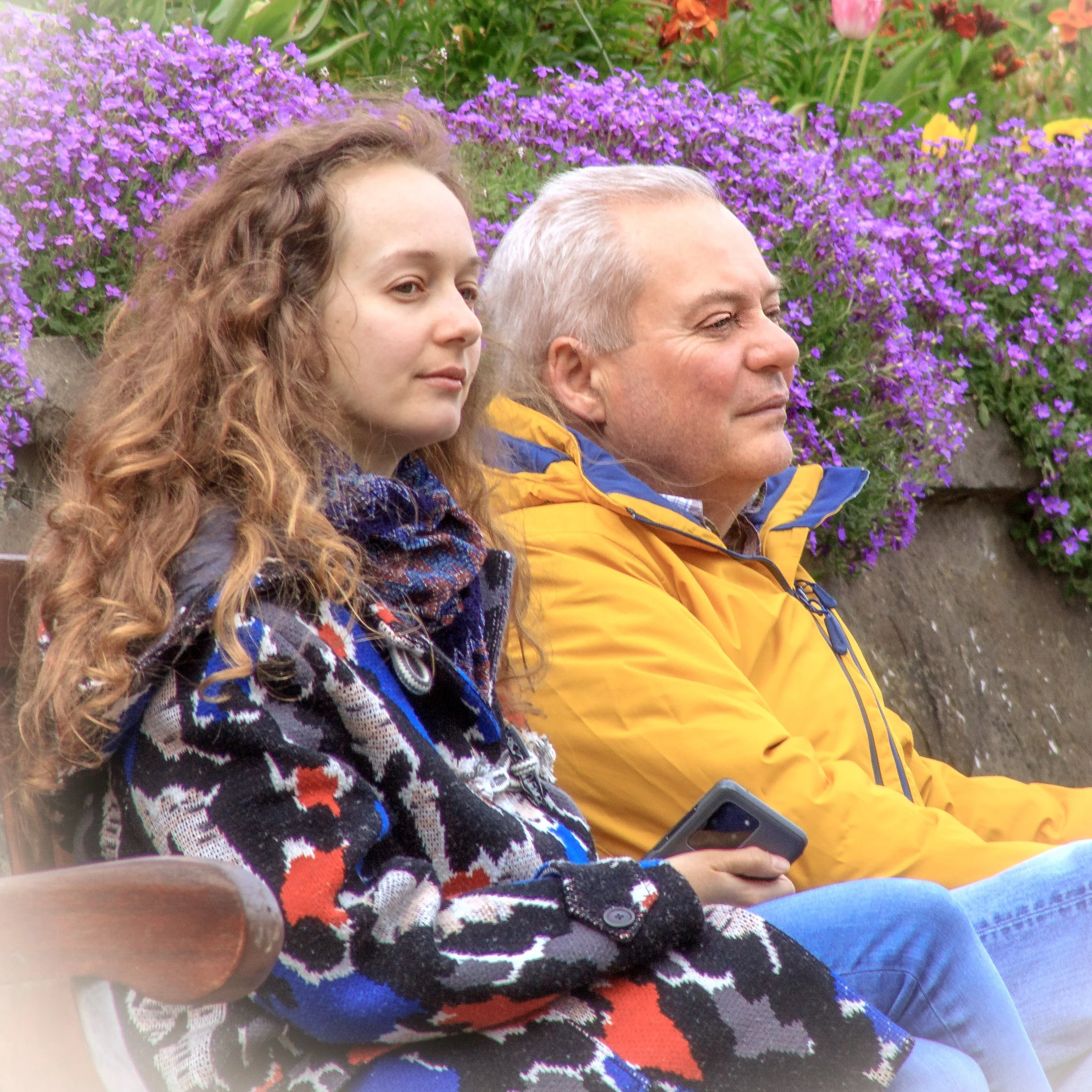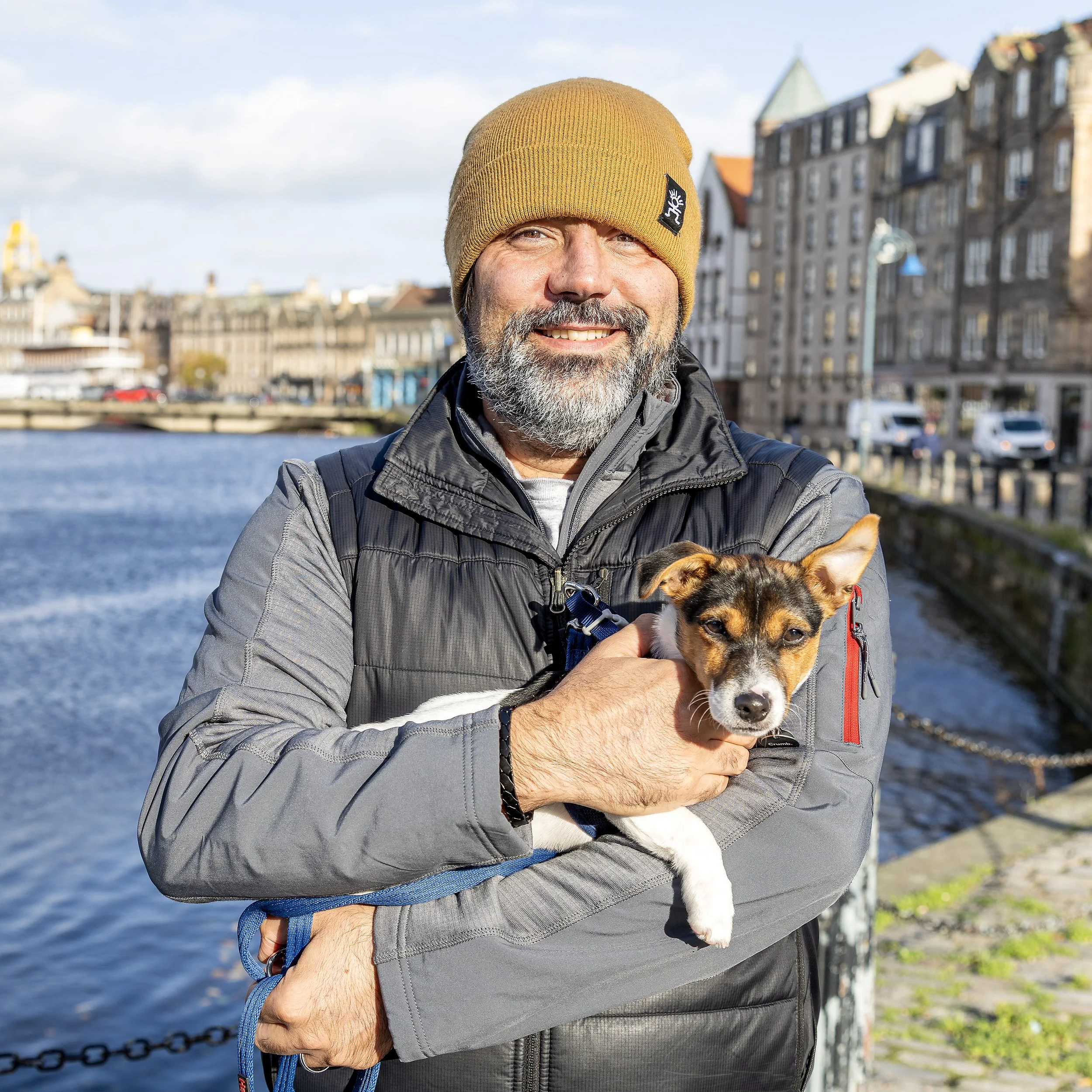
Ross and Olly, The Shore - ‘the people aspect’
“This isn’t a time of year I like much. I hate the long winter nights. And we recently lost our last dog which was hard. So, it’s been a challenging time. But this is Ollie, our new dog. He’s fourteen weeks, and he’s helping us massively. But we still miss Jesse every day. Lots of people here who’ve heard about what happened are still coming over to me to give me a hug and tell me how sorry they are. The people here are so friendly. I absolutely love it.”
How do you manage the darker winter months?
“Well, I’ve got my SAD lamp on! I love getting outdoors for human interaction. I’m married, so that’s a big positive but I work at home two days a week when I have no interaction, and I find that difficult. So, getting outside into the sunshine is wonderful and having a dog creates connections. I get out in the morning, at lunchtime and perhaps for an evening run. I like talking to anybody, hearing their stories and backstories. I just see everybody the same.
I help with a community garden scheme, and this week I’m helping a guy in our building to move flat. Last night I helped another guy fix a fence at our complex.”
Are you naturally extroverted?
“No. In university I was very introverted. I’ve worked for a consulting engineering company for nearly twenty years. When I first joined, I was very quiet. I really just kept my head down. Now I manage a small team, and I love the people aspect more than anything.”
What changed for you?
“Travel made me much more confident. I've lived in a few places across the UK and been to various places around the world. It’s just meeting different people from different cultures, striking up the courage to speak to them, spending time with them and learning both about them and from them.”
Pet hates?
“Inequality. Especially when you see the massive billionaires with all this money. Even a tenth of what they have could help probably 50% of the world. But they just don't.”
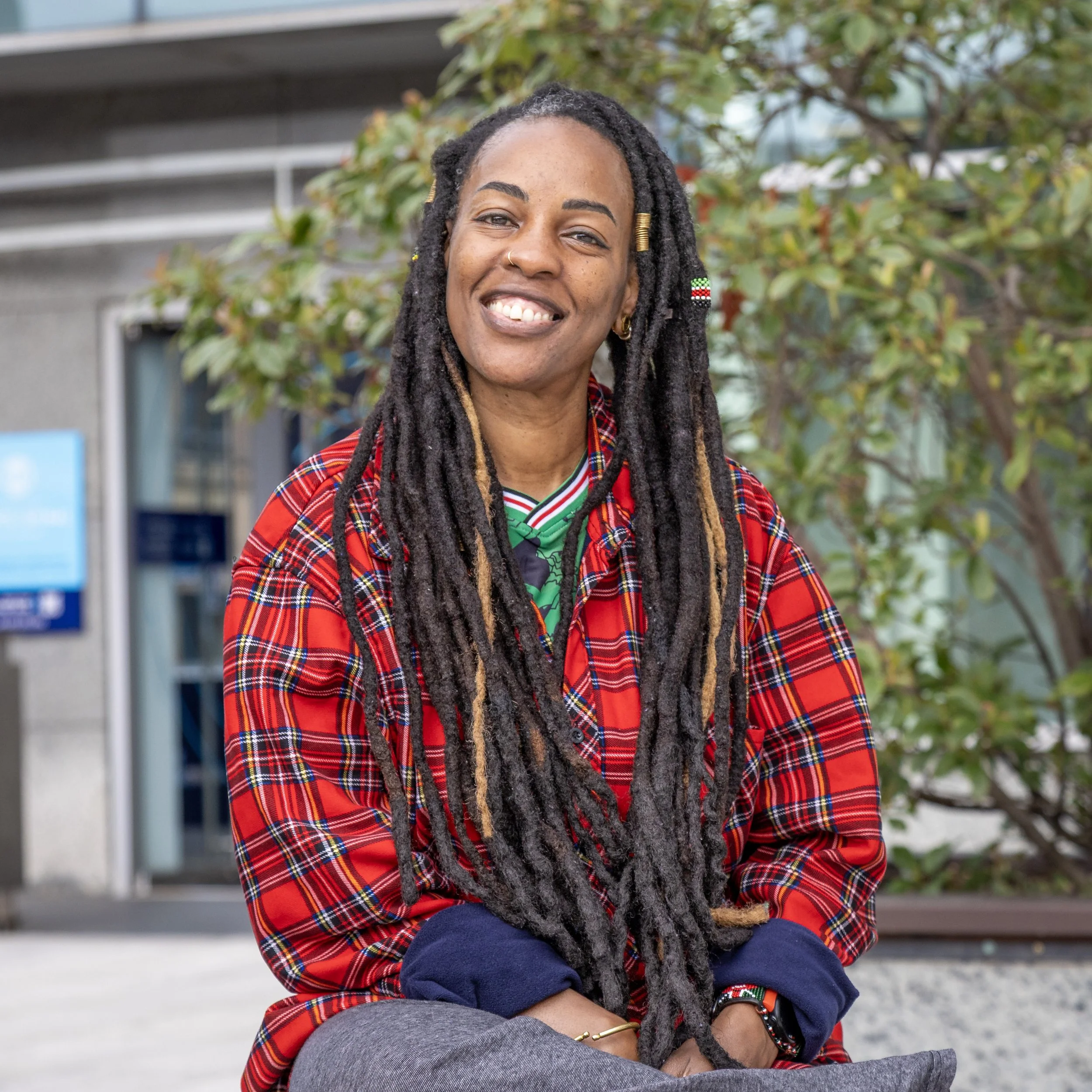
Marylene, Tollcross – ‘where transformation begins’
“On 16th August last year I was hiking with friends in the Ochil hills when I slipped and broke my ankle. After surgery I was just sitting there, and all the little distractions you normally have for yourself are gone. You have to face your own thoughts. And that's where transformation begins.
I'd been wanting to become healthier. My own research shows the risks of diabetes and hypertension if you’re overweight, as I was. But as I considered things, I discovered that weight itself wasn’t the problem. The problem was the spiritual garbage I was carrying. If you don't address that, if you just go, ‘Oh let me lose weight’, and then you do lose it, you will regain it. You must go to the roots of what caused it: Why did I get here? Why am I unhealthy? Who am I? The thing is when you find who you are, it leads to decisions about your life’s purpose. You know, evolution always occurs in discomfort. Never has anything grown while it was comfortable.
I decided I am three things.
First, I’m a philanthropist. The abundance of the world passes through me and goes to wherever it's needed. I don't need lots of money. I have the talents I need. So, I’m knitting blankets for the NHS to say thank you, and I’m doing the Kilt Walk to raise funds for the NHS on the 13th of September.
Second, I’m doing a PhD in epidemiology to be a Professor in the subject and be a conduit for the wisdom of the universe. It’s not just about research and publishing papers; learning is in teaching.
Third, I’m an identity architect, meaning I’m constantly inspecting who I am. You must constantly fix things and move things, change the design or whatever.
My point of decision was that I can only be those three things. Everything is aligned to that. That’s been the transformation for me. I lost 20kg, but more importantly I found my purpose. I’m finally very calm, I know who I am and I have peace.”
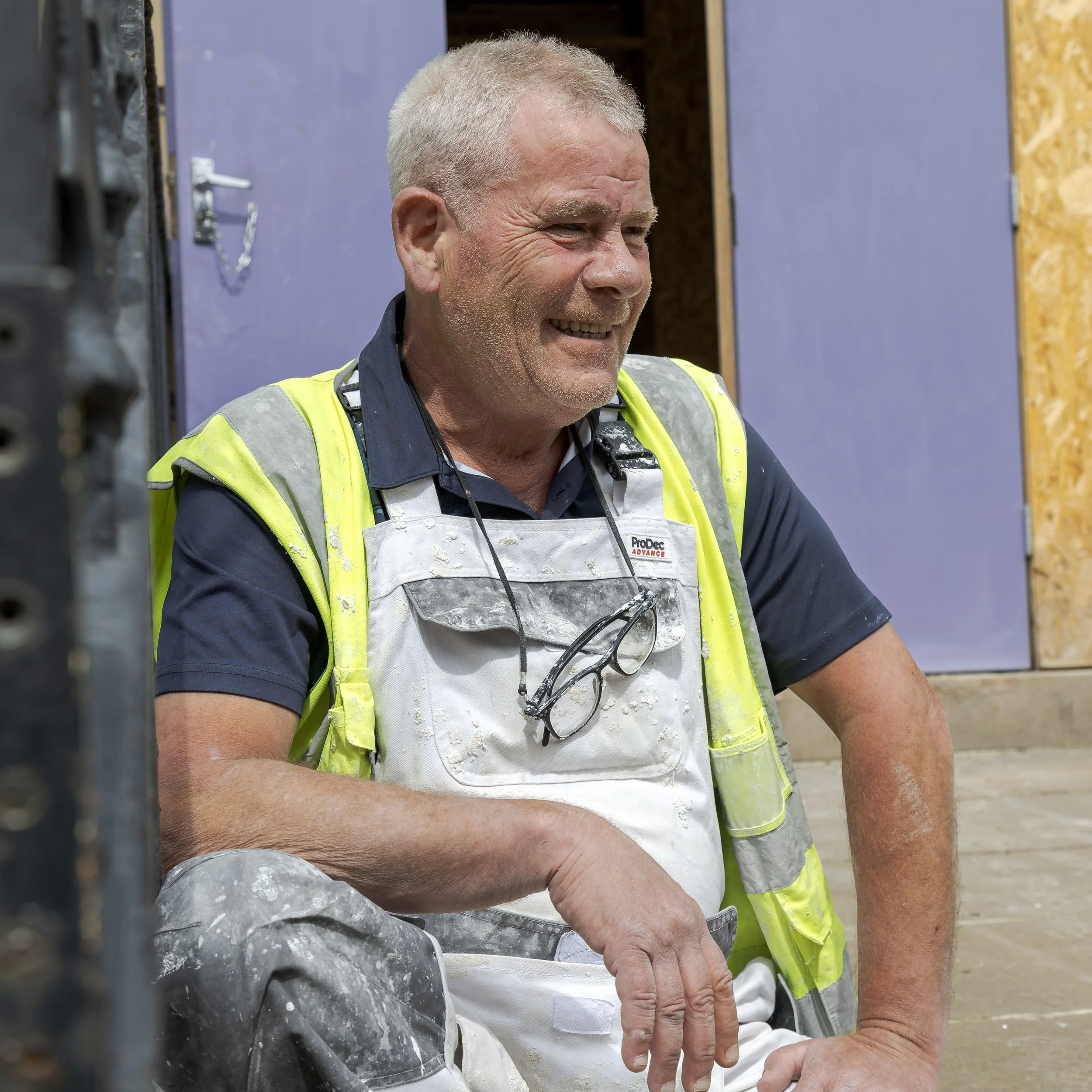
John, Charlotte Square – ‘a great feeling’
“There’s a lot of young people going off to university to do some pretty daft courses and then there’s no job for them at the end of it.
I’d recommend doing a trade to any youngster, including girls. Any trade. Plumbing, joinery work, electrician, plastering, you name it, painting, anything. You can make good earnings with it. I’ve been self-employed and I’ve run my own business too.
I’ve been doing this for 50 years. I started as an apprentice plasterer when I was 15. It’s taken me all over the country to some amazing places. I specialise in cornice work, and I’ve done jobs in places like Edinburgh Castle, Stirling Castle, Holyrood Palace and the Castle of May.
It’s satisfying to produce something physical; you can stand back at the end of the job and think to yourself, that is good work, and it’s going to stay there. It’s a great feeling. Unbelievable.
You meet a lot of people in trades. I’ve made great mates over those years and some of us still meet up for a night out, and chat about the old times together and have a good laugh over a few drinks.”
If you could advise a young person, what would you say?
“Save the money. Aye, save your money. Don't drink it, don't party madly. Honestly, save your money and get a driving licence right away. The sooner the better. It's the best thing I've ever done, learning to drive. It opens everything up for you. If you can drive and you're willing to work, you’ll find opportunities.”
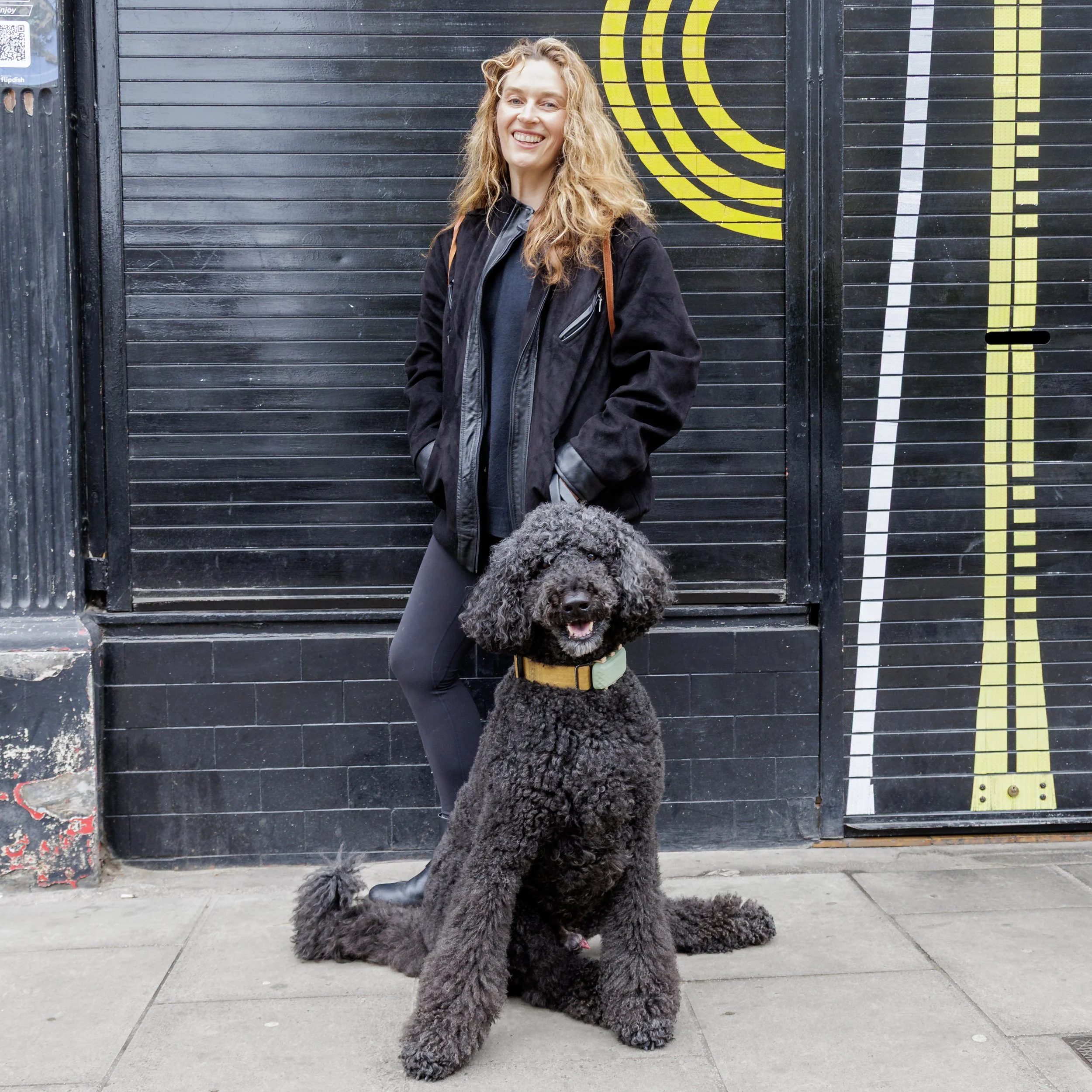
Lindsey and Bernard, Leith Walk – ‘scary but transformative’
“I had brain surgery in my early 20s. I joke that my brain was too big for my head, but that was the problem. I'll always live with the implications of that, the biggest of which is persistent and chronic migraine.
I wouldn't say it's limited me so much as made me be more creative in how I approach life. I think in a much less direct way now, but I see things and craft narratives I wouldn't have seen before. I've had to structure my life differently, but I'm happy with my choices. Something being different than you anticipated is not good or bad, but you can make it good or bad. It can be very scary, but transformative.
I was a research writer before but now I'm a creative writer. I try to write books that would have been meaningful to me when I was going through hard things. I'm not attached to a specific outcome; I just hope my writing will resonate with somebody and inspire them.
I also moved here from America. I like to feel connected to the place where I live, but there was a disconnect there. The hardest thing is missing people and not knowing what the immediate future holds. That's probably been my biggest struggle. But the feeling of community and the sense that we're all in it together is so much deeper here.
I have a master’s in public health, but I haven’t really used that. I teach yoga and meditation. That's what I originally trained to do. Those practises are foundational to my daily life. When I let that foundation go, I feel less connected to myself which makes me less connected elsewhere. I've had to become very aware of how my physical and mental systems interact and work together. Intentionality is so amazing, just creating that space to respond to something instead of reacting.
Bernard my dog and I found each other. As a pup he had a badly broken leg. I rescued him and drove him right across the U.S. to where I lived. 32 hours of driving with this seven-month-old pup. We’ve had each other's backs ever since.”
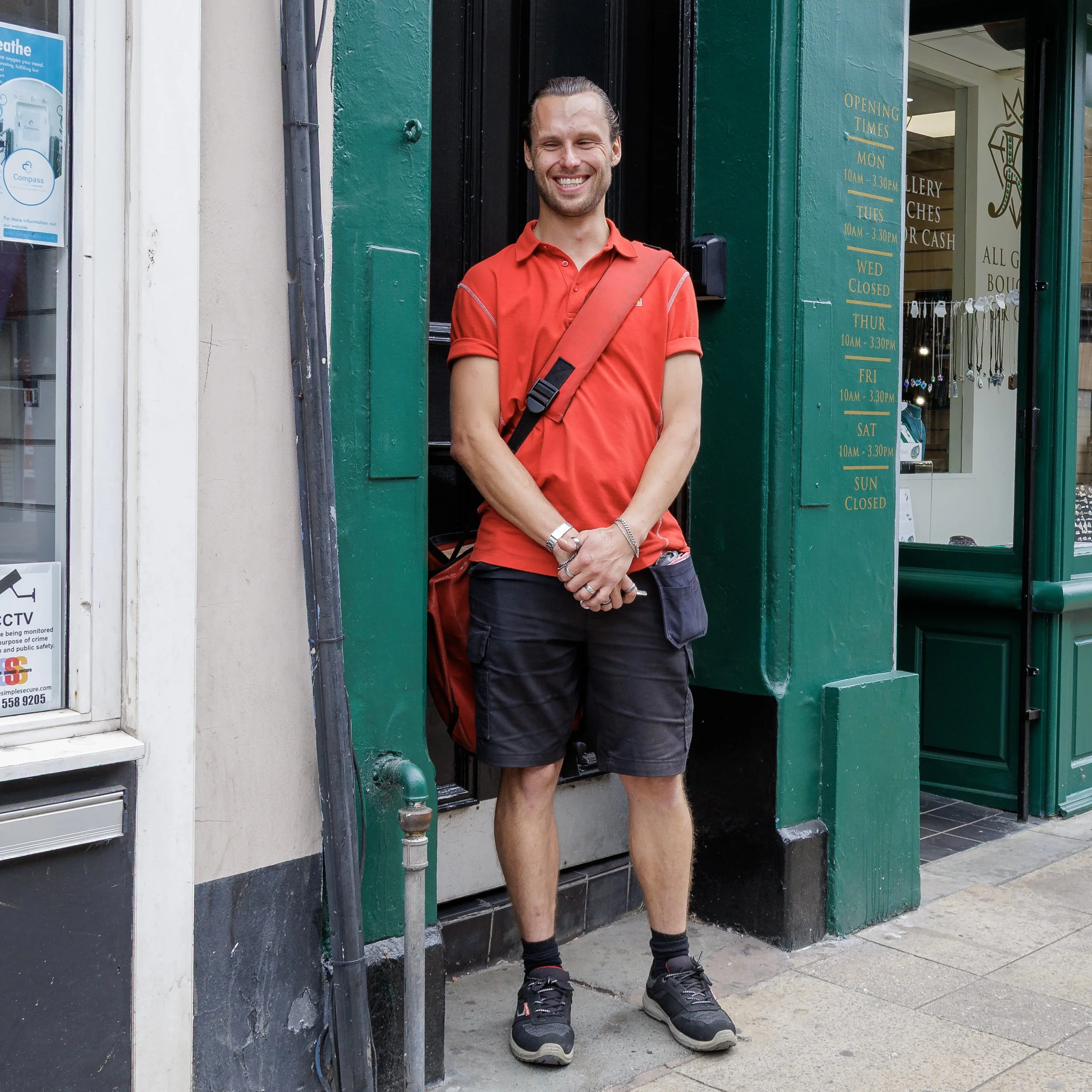
Struan, Great Junction Street – ‘days like this’
“This job keeps me fit, gets me outdoors, I meet a lot of people and on days like this when the weather is fantastic, you really can’t complain!
I’m local to Leith, but I used to be a water sports instructor in Cornwall. That was probably my favourite job. Being paid to be on the ocean – you can’t beat that although, to be honest, working with some children all day could be hard work.
That work disappeared during Covid, so I moved back to Edinburgh. I did courier stuff for a while with Amazon and Yodel and that led into being a postman.
I’m young, and like a lot of people my age I guess I’m not sure what I want to do long-term. I should probably have worked harder in school, but I didn’t enjoy that time. Yeah, I didn't like school.
But I’m doing OK.”
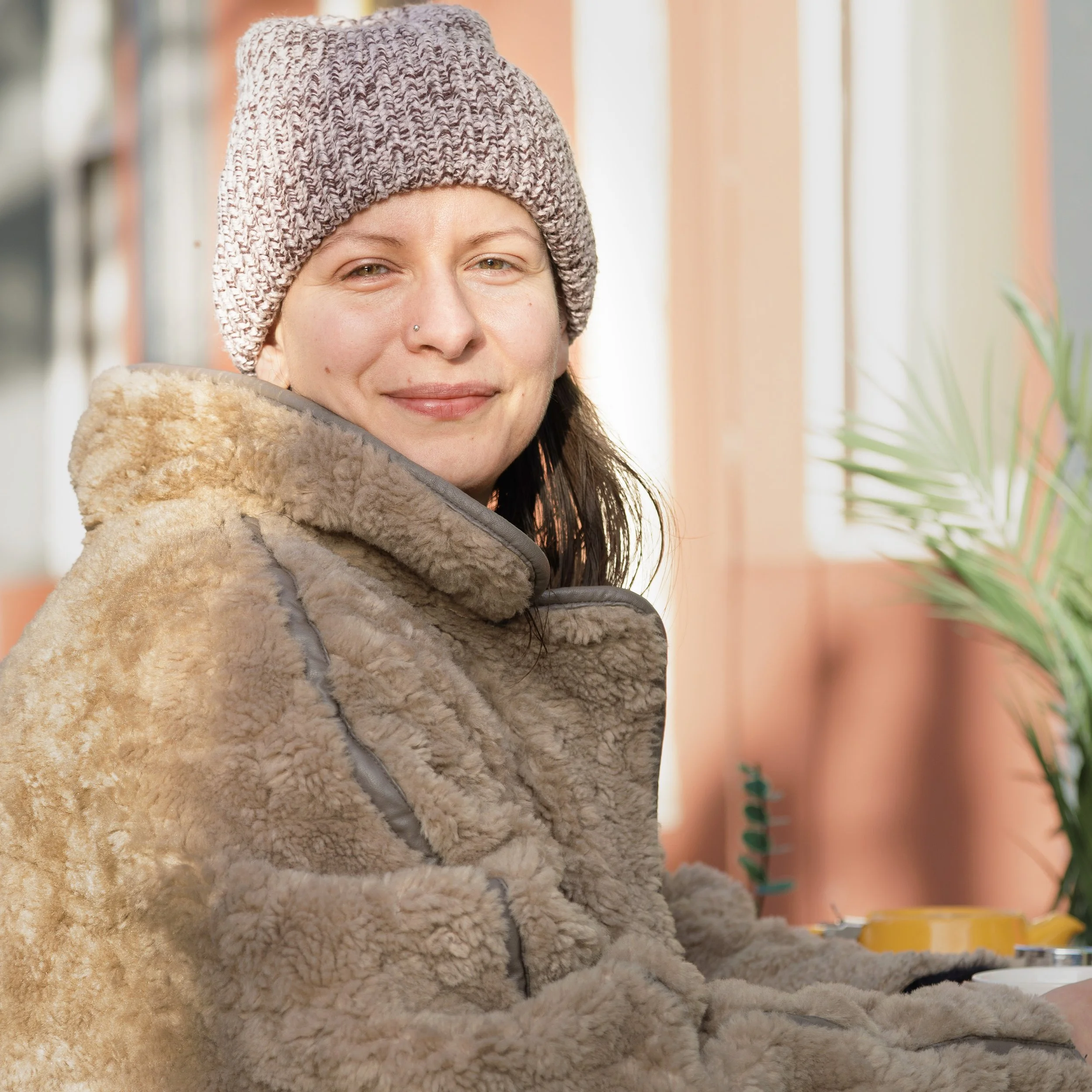
Fruzsina, Balfour Street – ‘sometimes you just need courage’
“I left Hungary almost thirteen years ago and moved to Edinburgh. It was just something I so much wanted to do. But it was quite scary for me, because I was young, I was on my own and I didn’t have a word of English. I mean, how do you even order a coffee?! But here we are, thirteen years later. I speak fluent English and I love living here. Sometimes you just need courage. You can be afraid of something, but you should still do it if it’s really in your heart. It’s amazing what can happen.”
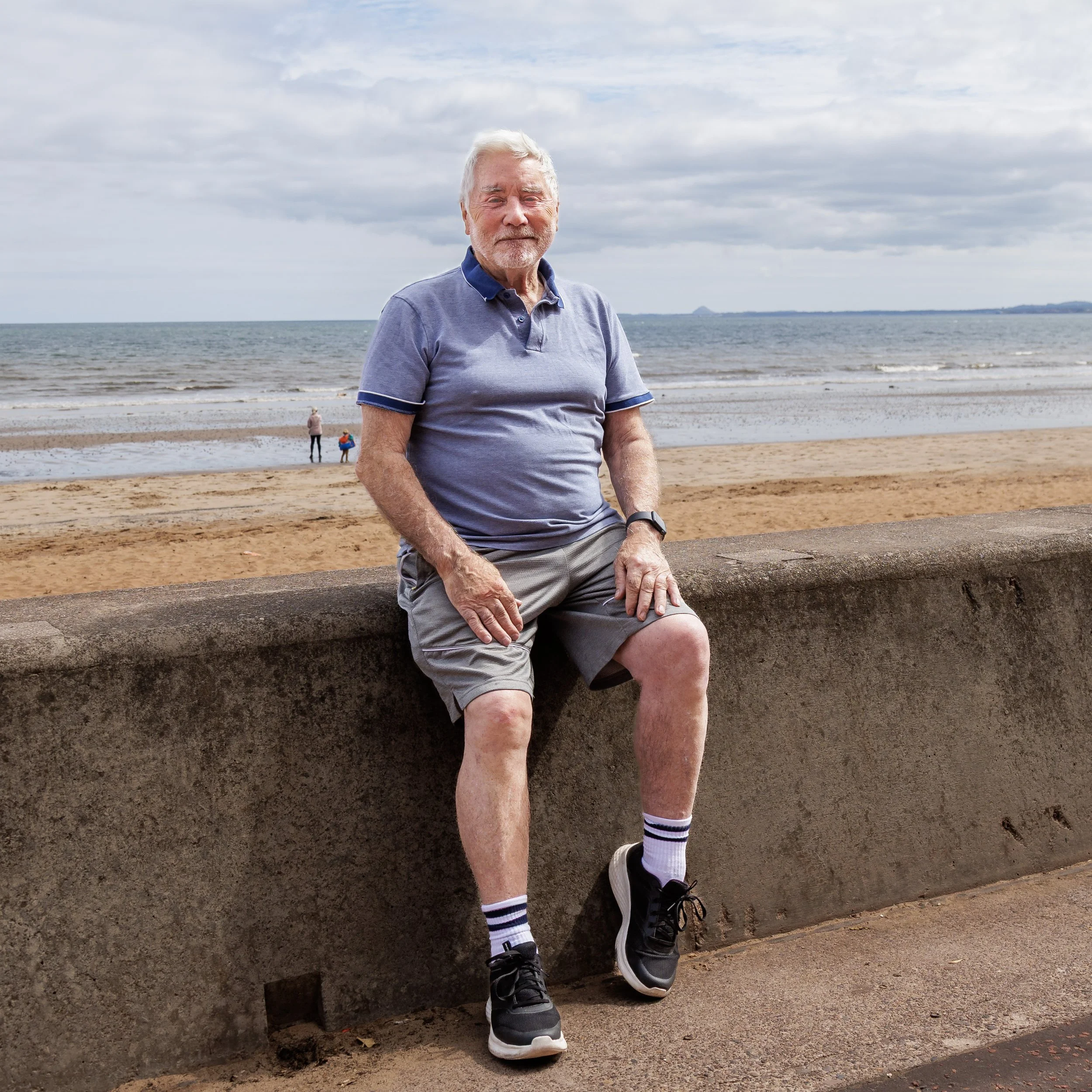
Stuart, Portobello Promenade – ‘a wee bit of love’
“I hate people who shout for attention. I hate bullies. Just be more placid in life, you know, and tolerant of people you think are not as good as yourself or whatever. I could be corny and say a wee bit of love going around would help as well.”
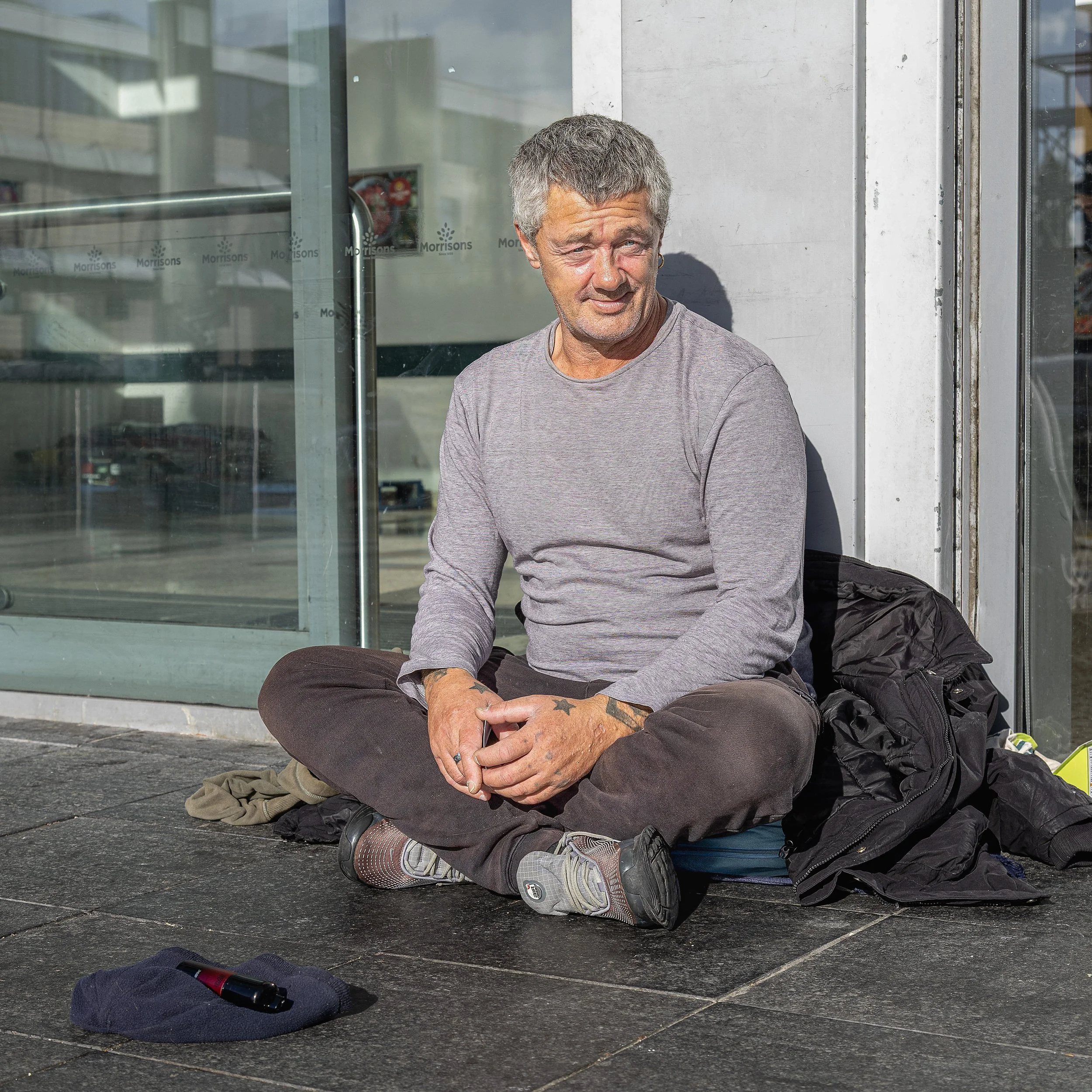
Jayson, Waterfront Broadway (Morrisons) – ‘why I am here’
“I come and sit here almost every single day. It’s been almost three years now. I know it looks like I’m asking for money, but I’m really not. Some people do give me money, or food, and it’s welcome because things are difficult. But that’s not why I am here.
I come from a good family; I had a good family background. I’ve worked mostly on the land, on different farms, but I’ve been battling anxiety and depression, and it’s not so easy to find work.
I get help, and I’m in shared accommodation not far from here with two other guys. But it’s lonely sometimes, know what I mean?”
How do you deal with the loneliness?
“That’s why I’m here. I come here to see people. Even just to say hello to someone helps me feel better, know what I mean? I’ve got to know a lot of regular shoppers here and they come and chat with me. Even the staff in there and the manager speak to me. I think it’s good for them too actually. I get no trouble from anyone. I just keep to myself and do my own thing. And this all helps my anxiety go down and makes me feel better.
I’ve volunteered at a food bank too. And I’m hoping to do a little course at the college over there because I’d like to be a support worker. And I’m hoping I’ll still get back to working the ground one day. I’d love that.
I’m trying to keep myself fresh. I’m only fifty-two.”
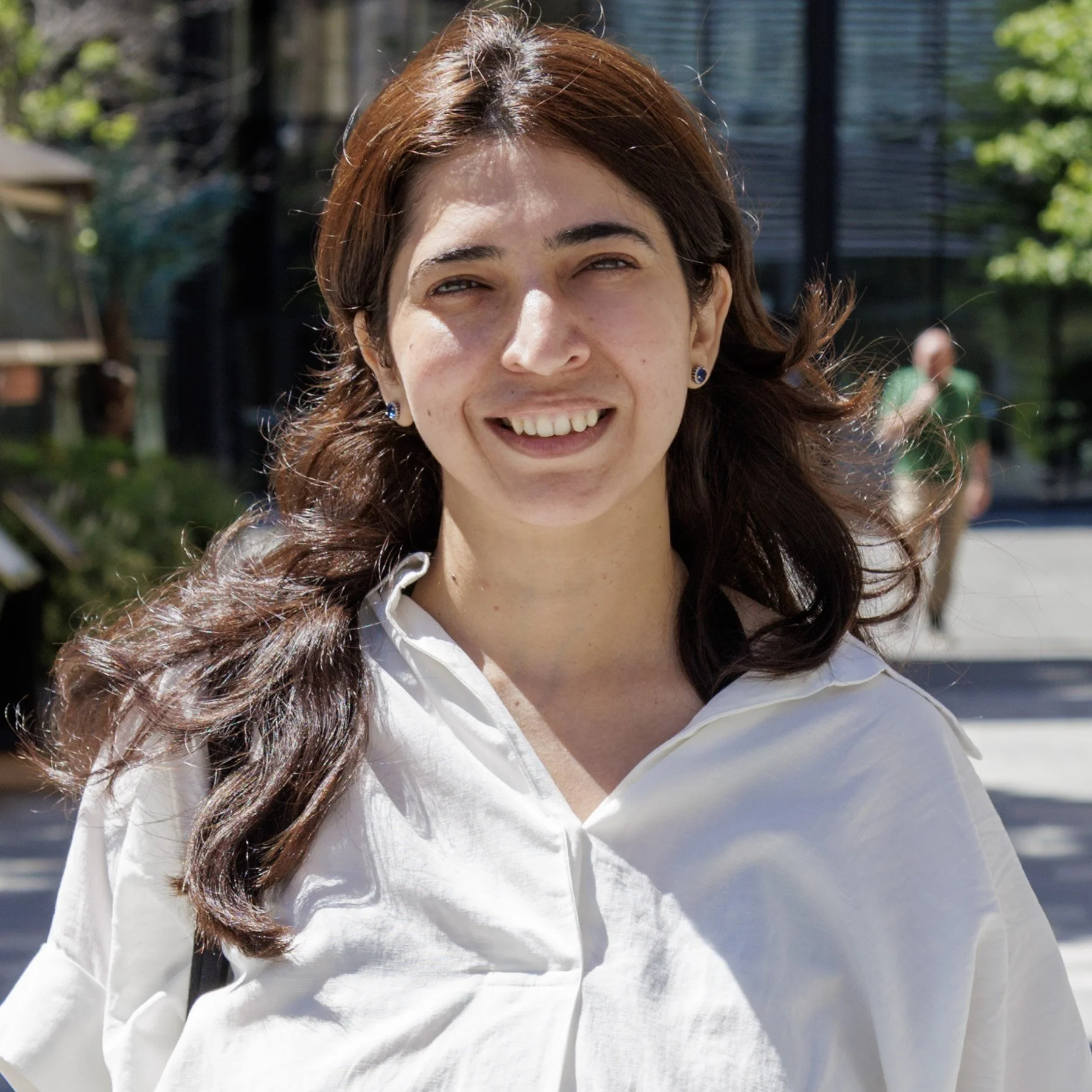
Misbah, Lister Square – ‘kind and merciful’
"My father died in a car crash when I was two. My mother was 28, with three young children in a patriarchal Pakistan village. But I had a happy childhood. I and my two brothers had outdoor freedom. We played together a lot, sometimes violently! We had money for basics, but we received a lot of kindness from people who helped to bring us up. Some of them were poor. And I saw my mother’s generosity.
I was academically very good, and very sporty. I think I just wanted to be visible somehow. At 12 I was reading books about politics, spirituality and God.
I wanted to help people, so I studied political science at university in Lahore. But I realised that the political system was more oppressive than empowering, that bureaucrats considered themselves rulers, not servants of people. I began to question everything – religion, society, family and how it all works.
I worked for a time as a parliamentary assistant in Lahore and then did a master’s in political philosophy in New York. Then I worked in Islamabad for the Pakistan Foreign Office, before doing my Ph.D. in Edinburgh in the role of technology in politics. I want to develop ways to use technology, including AI, to empower young people. I could do that from here, or in Pakistan."
What’s been your biggest challenge?
"I think we're all challenged by self-imposed defeatism. Perhaps it’s childhood circumstances or how we’re raised that cause those beliefs. But despite circumstances, you always have a choice. Always.
And I believe in a God. I’m Muslim but I tried living without God. It didn't work for me. I read a lot of Nietzsche, and I was in very leftist circles with a strong critique of religion. For some that works, but I really feel there is something beyond. Some people never get justice here, but I believe that it is somewhere and everything is working towards something much greater. It’s a humbling thought. But I have a very merciful idea of God. Kind and merciful."
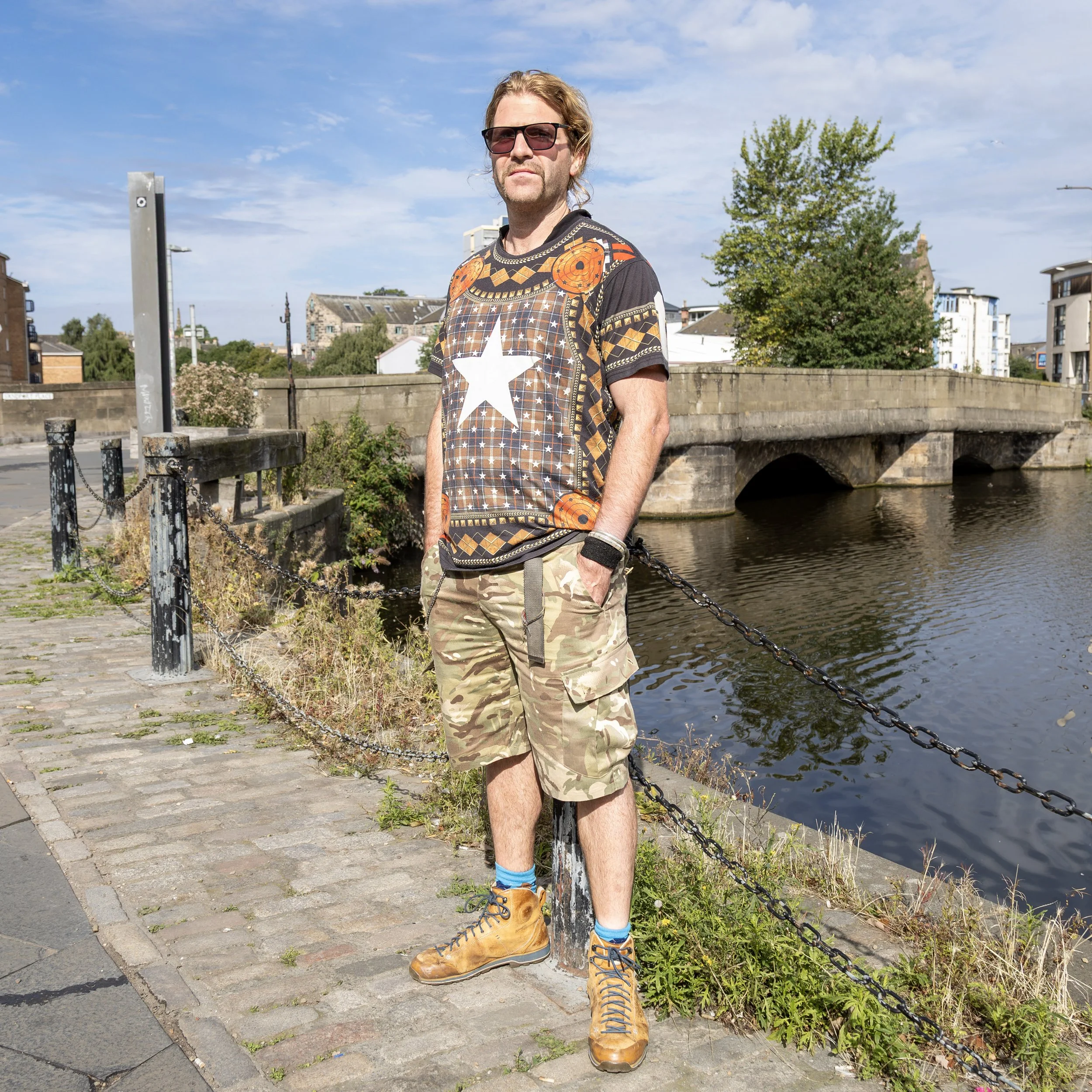
Jason, The Shore – ‘the person I am’
“I’m a singer-songwriter. Music’s a massive part of my life and I’m proud of what I’ve created and some of my stuff that’s online. But I’m most proud of just being a genuine guy who's got a lot of love to give, you know. I like getting everyone going, connecting with people and entertaining them.
It’s been a journey though.”
Tell me about your journey.
“I wrote a song once called Scottish Weather, because I liked to blame the weather for my alcohol consumption. I've had problems with drink and drugs. It's a thing I've battled with. But I do a lot of physical training now. It's my way forward, and it keeps me away from the drink. It’s important because I perform in pubs.
I used to write songs after smoking weed. Marijuana can get the creative wheels moving. It's like another dimension, you know. But it’s the exact opposite way now. If I touch that stuff I go off to a strange, strange place. I don't really touch weed anymore, because it takes me back to where I was. It knocks me off balance and makes me a bit paranoid. And I used to get a bad case of the munchies. I wouldn't stop eating, so I was getting fat. I'm not getting fat anymore.”
What’s your biggest career challenge?
“I would say reputation. You do a couple of silly things that you're not proud of and that can really stick to you like a devil on your back. There’s no redemption here. It's like, what’s going on, man? Give me a break. People make mistakes. That’s one problem with this city; it's not forgiving. It can pull you down. You should always give people a chance, and don’t just believe what others say. You should always believe in people and make your own decisions about somebody.” What would you like to say to people who hold the past against you?
“I'd like to say, you don't really know me. And if you actually knew me, you'd see the person I am, not the person I was.”
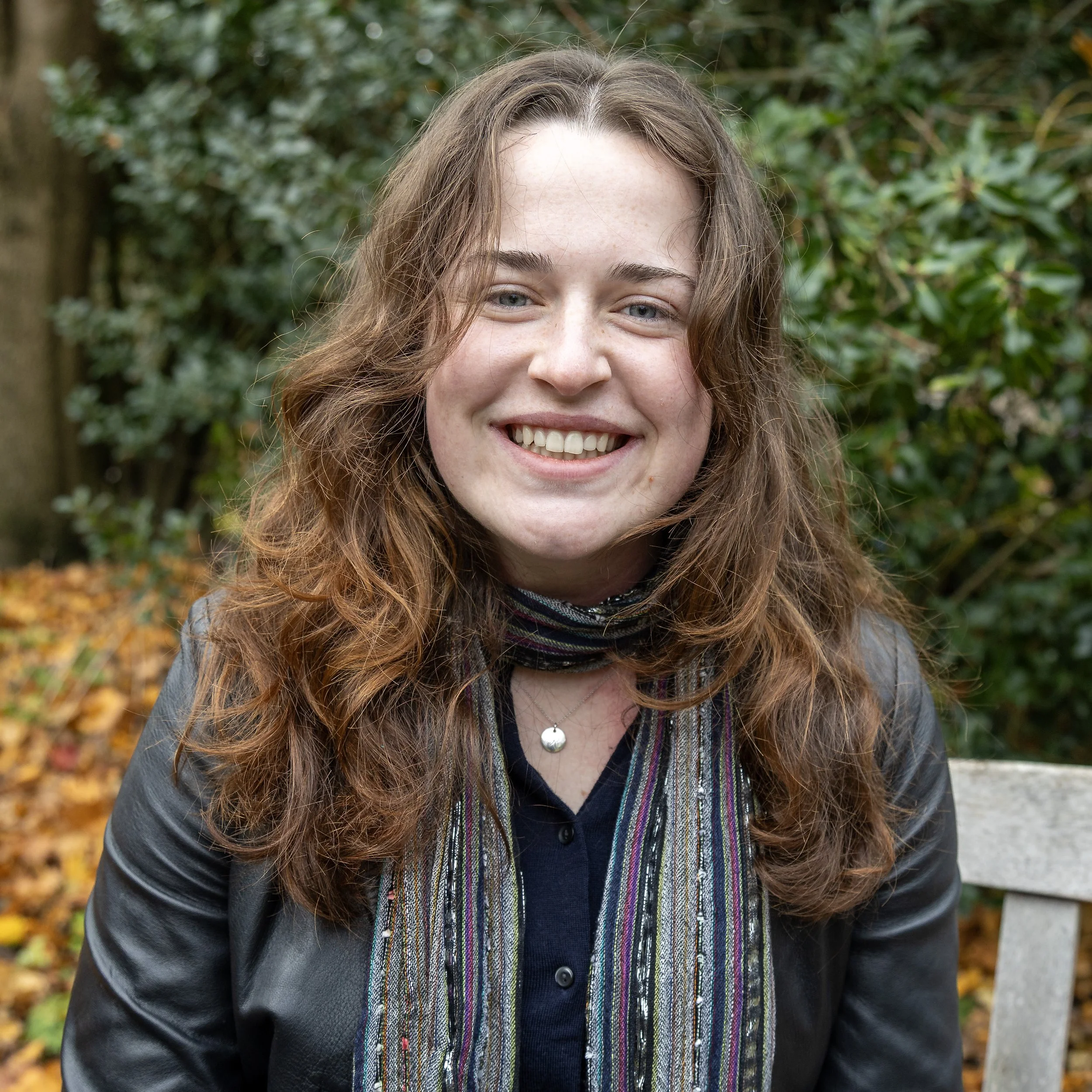
Rose, George Square Gardens – ‘solutions happen’
“I grew up on farms in Australia, riding horses and fostering cattle. It was an amazing childhood. I just loved it. I still miss the farm.”
How old are you now?
“I’m twenty. I’ve come to Edinburgh University to study literature and art history. I think it's wonderful the love that writers and artists have for life. Seeing that translated into their work is a beautiful thing. I've always loved reading into things, peeling back the different layers and thinking how this could mean this, or this could mean that. I love that part of it.”
How did you feel about moving here?
“Historically, my big challenge has been social anxiety and shyness. That’s the biggest thing I’ve overcome, learning to accept myself and let go. It's a lot easier to let people in when I'm not guarded and anxious.
I talked to a psychologist when I was a teenager. That set me in the right direction. But a lot of it was just working it out myself. You learn that no one really cares as much as you think they do. It's about getting over yourself. That’s the secret. You think everyone’s thinking about you, when they’re not. They’re preoccupied with their own lives.
I'm learning to keep pushing myself. If I'm scared to go somewhere because, say, I don't know anyone, I push myself anyway. I’ve never come away wishing I hadn’t gone. I'm always happy I went. It’s just learning and doing it over and over, teaching yourself that you can do it. Yeah, moving has been a huge change, but I feel like I've grown so much in a small amount of time.”
What’s been the best part?
“Meeting people from all over the world has been awesome. Just chatting to all sorts of people - like this right now! It's amazing who you meet.”
What would you like to do in the future?
“I think primary school teaching. Kids are the world's future, and a lot of solutions happen upstream. I really want the world to be a better place, and I think that's where I can contribute most to that.”
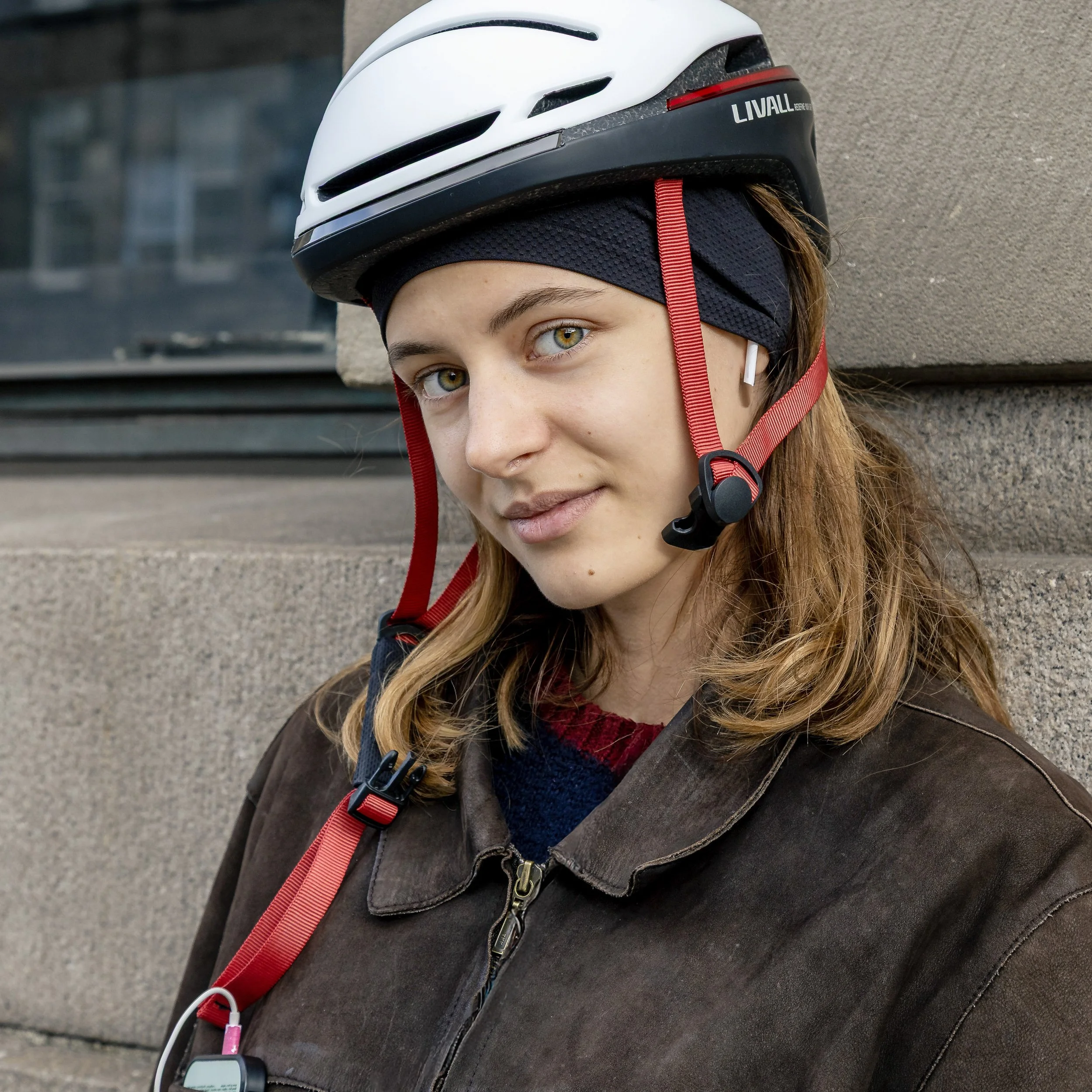
Mila, Hope Street – ‘finding myself’
“I've never been mentally ill, but my family has a history of genetic mental illness like bipolar disorders. And my mom has epilepsy, which has had a big effect on everyone in our family. I've never really been interested in anything other than psychology, and now I’m studying it at Edinburgh University. Doing my own research has made it a less scary topic. It’s been like finding myself, and how I can help others too.
I used to be more interested in the psychology of people's personalities, reactions and decision-making, but now I'm more interested in the anatomy of the brain - what parts of it do what things. It's crazy how much the brain can do, we don't even realise it.
I grew up in Warsaw, but Edinburgh University was the only one offering a good course combining psychology and business, because my aim is to be an industrial psychologist. We'll see how it goes.”
How have you found the move to Edinburgh?
“The only difficulties are things like council tax, gas, electricity and all that. I'm still finding my people, but people here are definitely much nicer. So is the weather, so far!”
How do you relax?
“I love dancing. I did ballet in theatres, and then I switched to jazz and hip-hop. I do a lot of drawing, and I love books - paper books, not electronic ones. And I listen to a lot of music as you can probably see. And sometimes just sitting in silence and doing nothing for five or ten minutes, just feeling whatever I'm feeling, is good for me. And after that short break I go back to what I’m doing.
And I use social media. I understand the talk of it being bad for you, but it really depends on the person using it. You can use it without negative effects. I do know some people who have had bad experiences through it, but they're letting it come to them. I don't really post much of myself, but I do scroll through social media, and it takes my mind off other things. It can be a good thing.
And this conversation was a nice experience.”
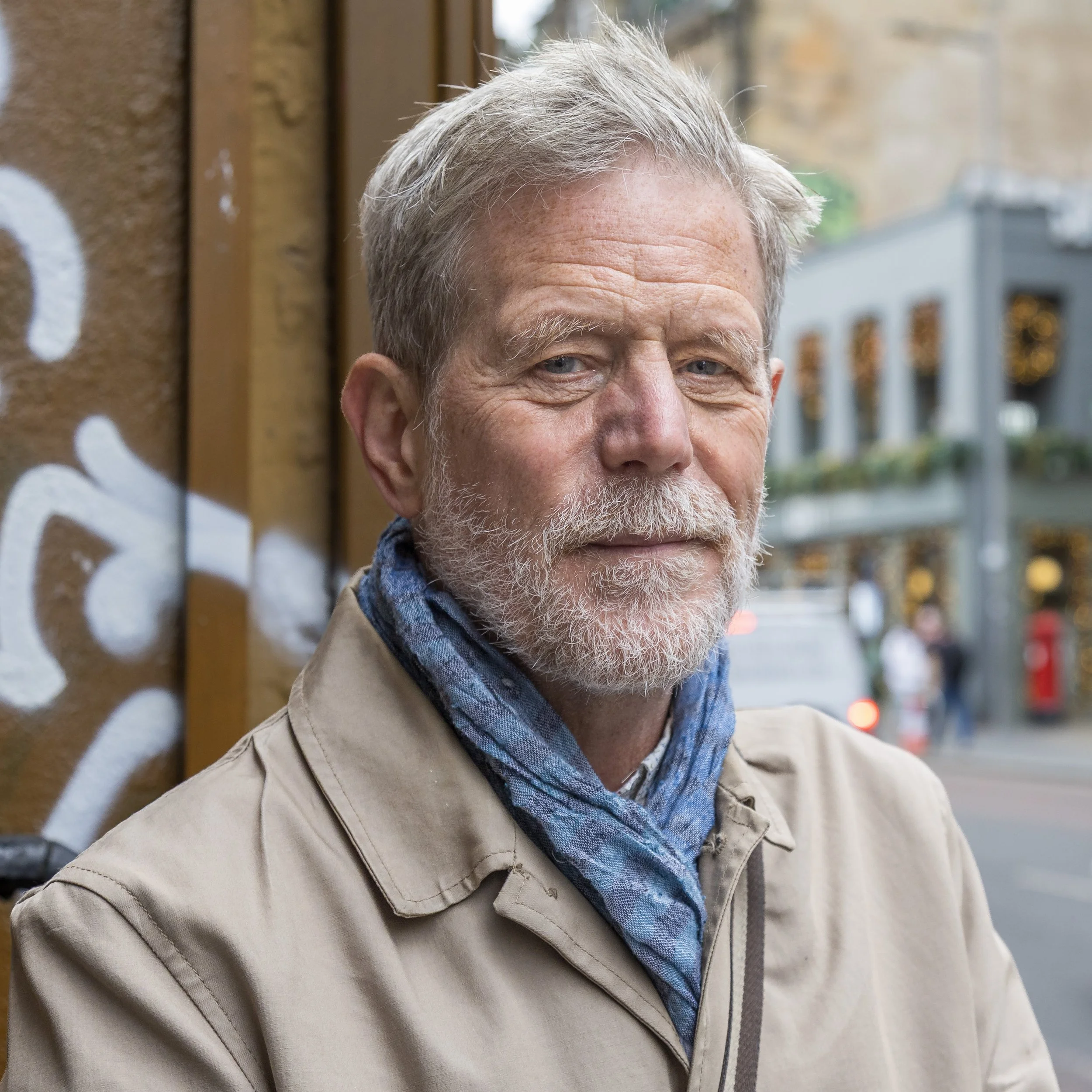
Derek, Nicolson St. – ‘I found my way’
“I came from a very poor background in Edinburgh. I grew up in tenements. The first two didn't have inside toilets or hot running water. I faced all the disadvantages, all the things that poverty brings with it.
School didn’t encourage me. I wasn’t an academic achiever until my final two years. Before that I was a thorn in the side of some teachers. They were still belting kids in those days, and I got a fair bit of the belt!”
What changed?
“I met different people, built different friendship groups and moved away from some of the more wayward lads that I hung out with. I ended up with four Highers with good grades and became the first person in my family ever to go to university.”
What did you study?
“I trained here as a social worker. One of my early roles was to talk about sexual health with young people in some challenging parts of the city. The fact that I too came from a poor area helped them to relate to me, which helped me a lot in that work. I don’t think they’d ever heard anyone speaking to them about sexual health. My background became a big asset to me in that way.”
Would you encourage a young person to go into the care industry?
“Yes. We need to incentivise young people and pay more. There’s good career potential in social care if you want it. We really need to value it more as a society. It gives a great sense of satisfaction and of contributing to your community. It's a diverse career and if you work hard, it can take you places.
I worked with people with mental health problems and learning disabilities. Now I’m with the Care Inspectorate alongside people who have also risen through the ranks to become managers of services. We regulate care homes for older people, homeless services, addiction services and care at home services in the community. We aim to improve standards and, if necessary, compel improvement through statutory powers.
So, yes, I found my way out of poverty through education.”
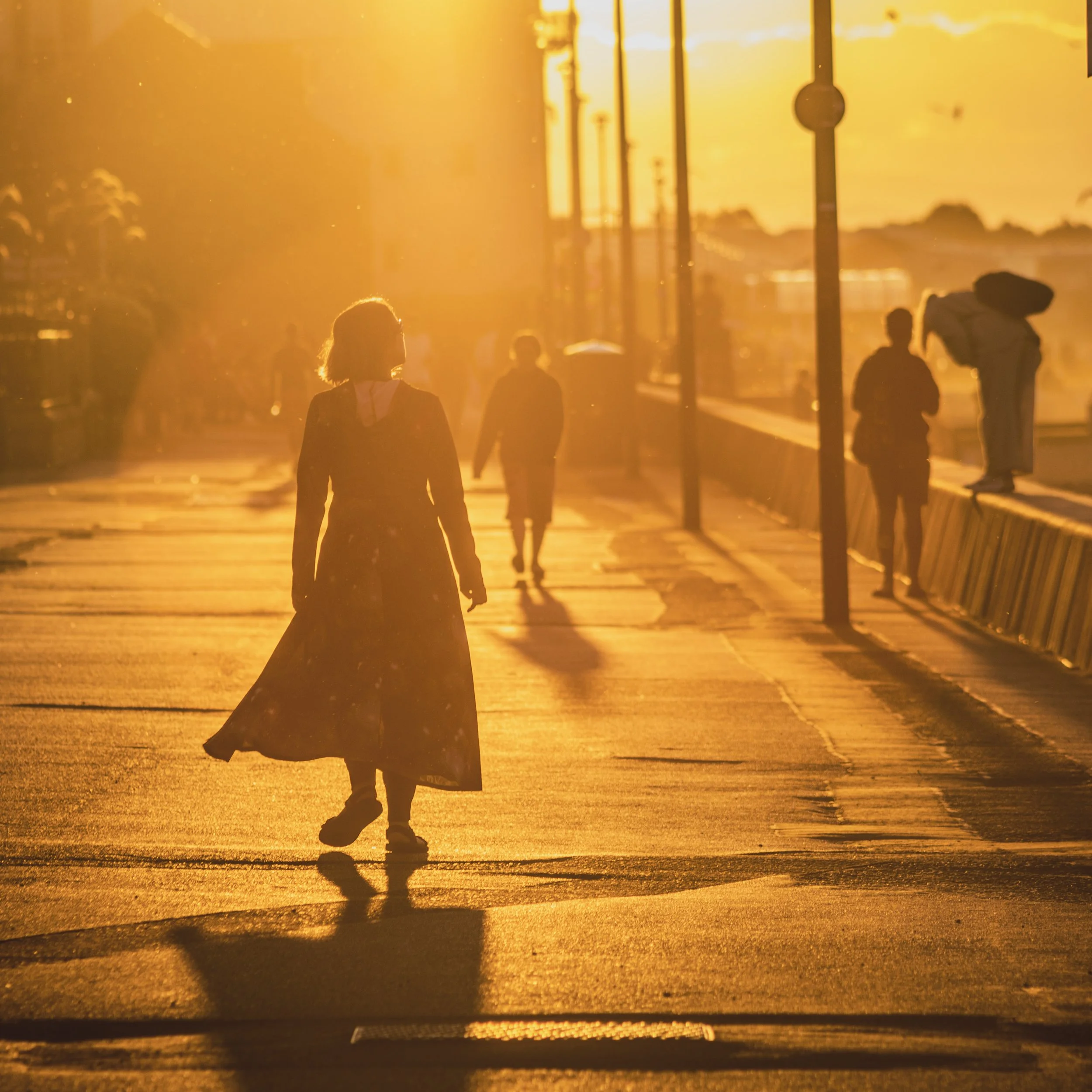
‘The Woman Who Walked in Sunshine’ - Portobello Promenade
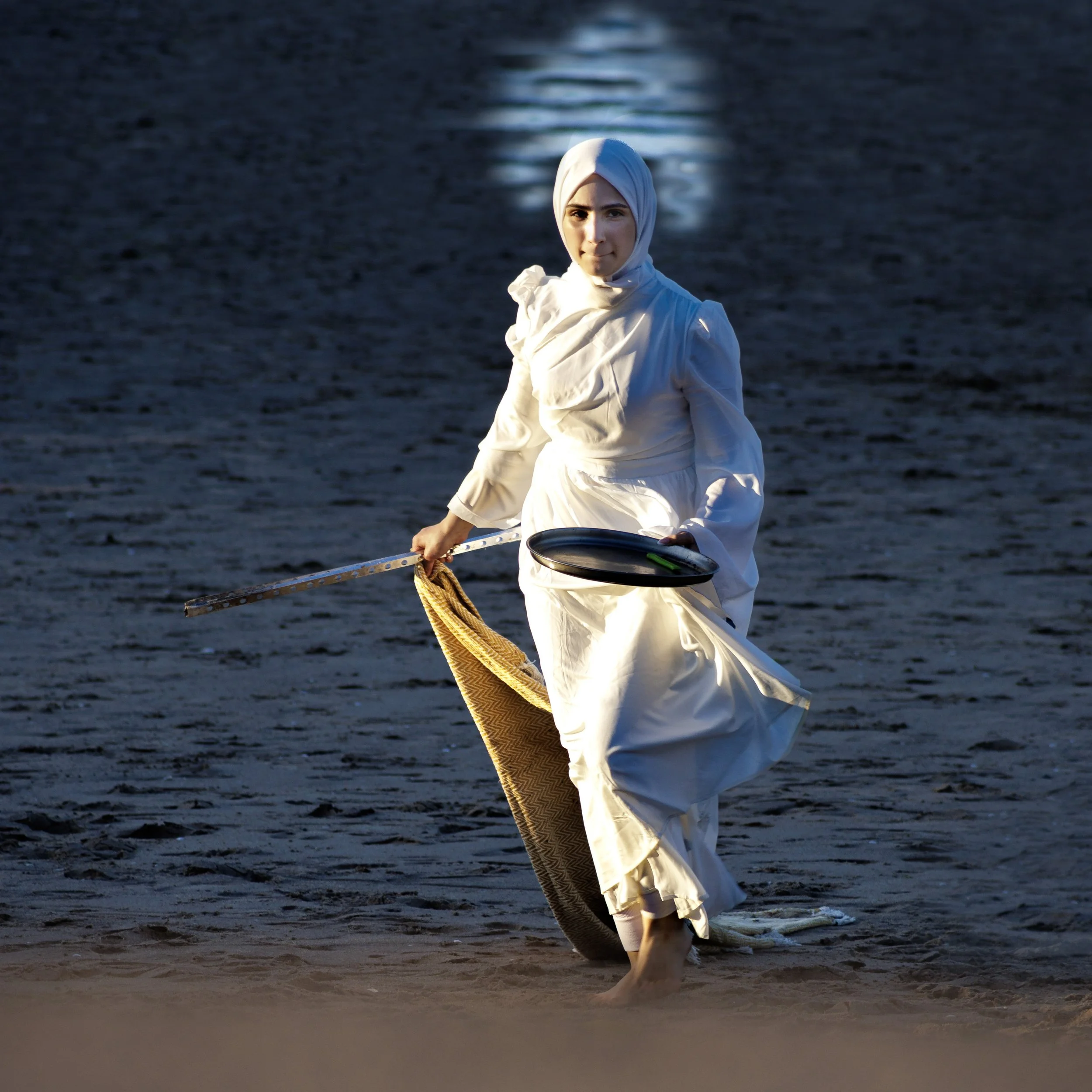
‘Lady of the Lake’ - Portobello Beach