

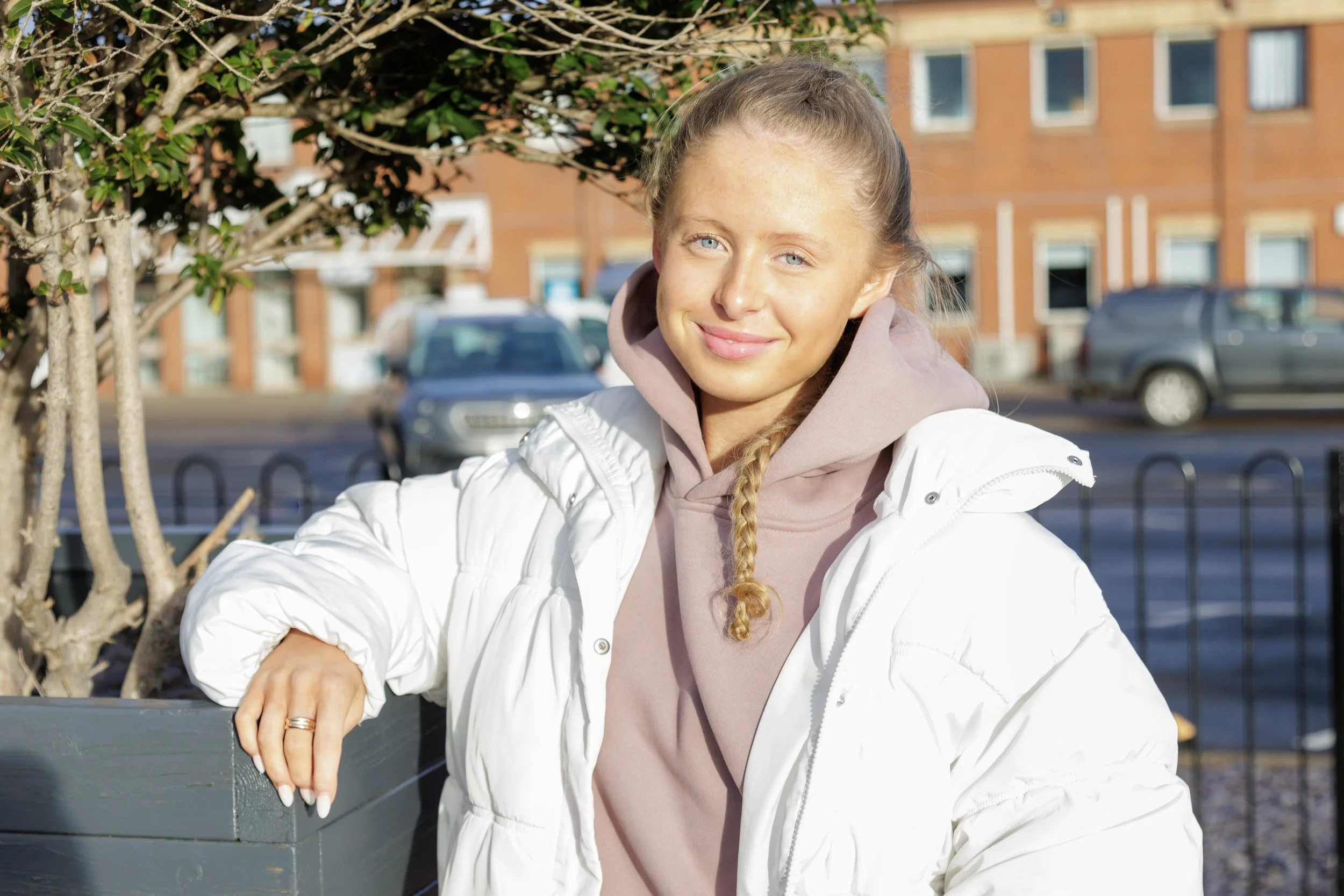
Summer, Fort Kinnaird – ‘friends and connections'
“During High School I never really made many connections, never had many friends. I was coasting through by myself. Then I realised that I didn’t really need other people to find fulfilment and enjoyment, and after that I became more confident within myself. My own company was enough for me. Through experiencing those challenges, I've now been able to go to college where I’m studying Events Management, I’ve created my own floral design and events styling company and I’m part of an international dance team that has taken me abroad and brought me so many friends and connections, because I'm now confident enough to speak to people.”
What style of dance do you perform?
“I’m a Highland dancer. My mum was a Highland dancer, and I started when I was three; so I’ve been doing it for seventeen years now. I’m with the Debra Ann School of Dance and with the International Tattoo Highland Dance Company. I go to the World Championships and to lots of different competitions in America and Germany. I’m going back to Bremen very soon and I’ll be in the Edinburgh Tattoo next year, so that'll be a good opportunity for me as well. Yeah, it keeps me really active and I enjoy it. I'm quite into running as well, so I do that as well to keep up my fitness.”
What advice would you give to your younger self?
“Probably just to not care what people think. Everyone's so involved in their own life, they're not actually really that bothered about what you're doing. So, just be your own person and just accept people as they are.”
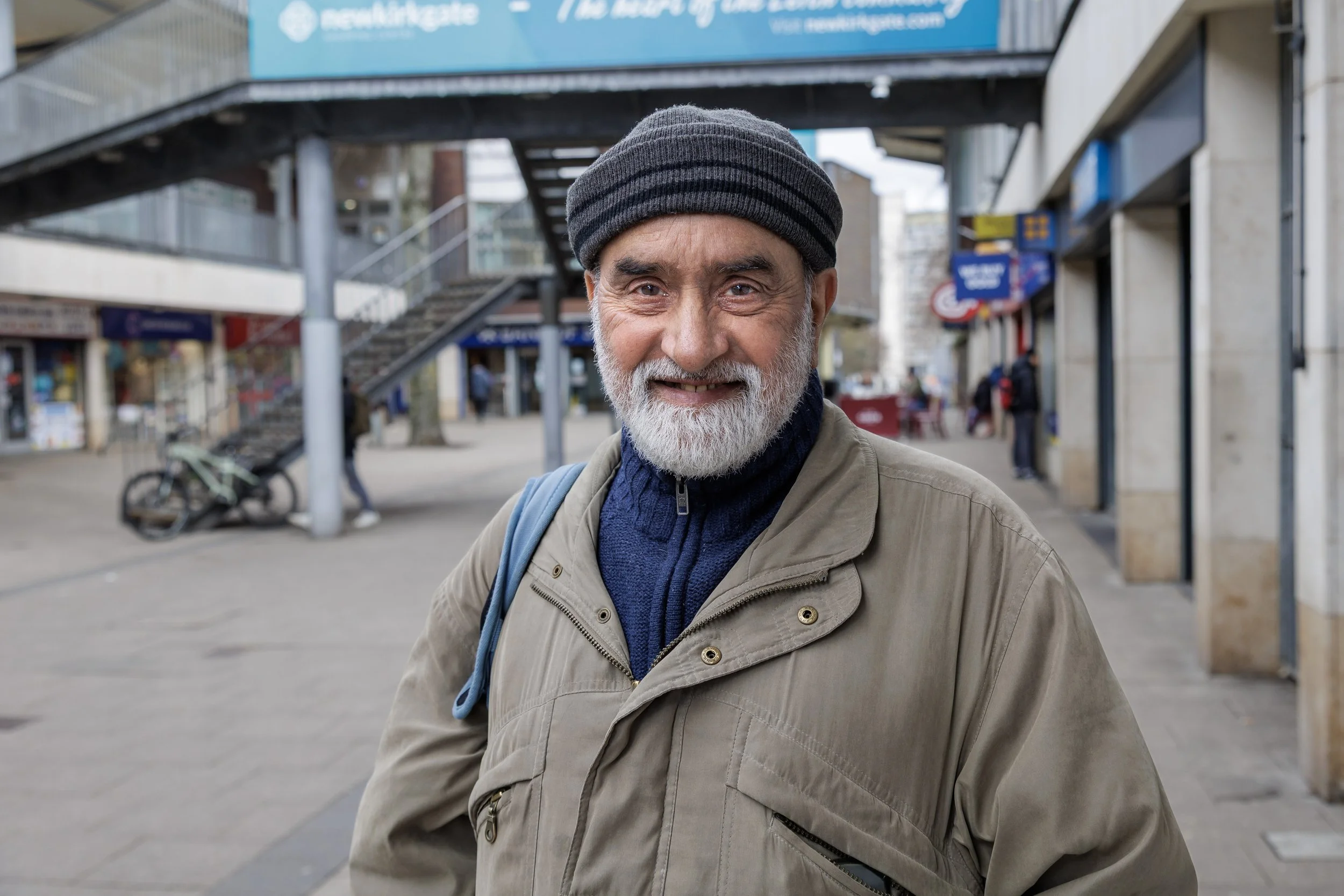
Nazeer, Kirkgate Centre, Leith – ‘marriages then were all arranged’
"I came from Pakistan in 1969. I had just graduated in Political Science, but my English was very poor and so I prioritised work over education when I came to Edinburgh. I needed to earn money too for my family, so I worked as a bus conductor. 'Fares, please!' was easy to learn."
How much of a culture shock was it?
"I think marriages were the biggest thing for us. We come from an Islamic culture where marriages then were all arranged. It sounds strange here, but they were, and still are, often successful."
How was a marriage arranged in practice?
"The two families came together to consider the suitability of the boy and girl as a potential couple in terms of things like their backgrounds, personalities and finances. It is a very different culture, of course, but it was usually a matter of pride to the couple that they were paired together. They're not forced to marry. If they really do not want it, that's OK. But they usually did.
I think the reason these marriages were often long-lasting is the support they receive from their wider families. If they have a serious problem, then relatives come together with them to mediate and help them to find a solution. If that's not possible, then they can separate for three months. Then everyone comes back together to try to resolve the issue. If that doesn't work, then they may separate again for three months. After that there's a final attempt at mediation. If that fails, then divorce is permitted. But they cannot then remarry each other after that.
In Pakistan today this is much less common. Girls outperform boys now in education and have much more independence, so this system is not as widespread as it was. But, really, there are things about it that helped young couples."
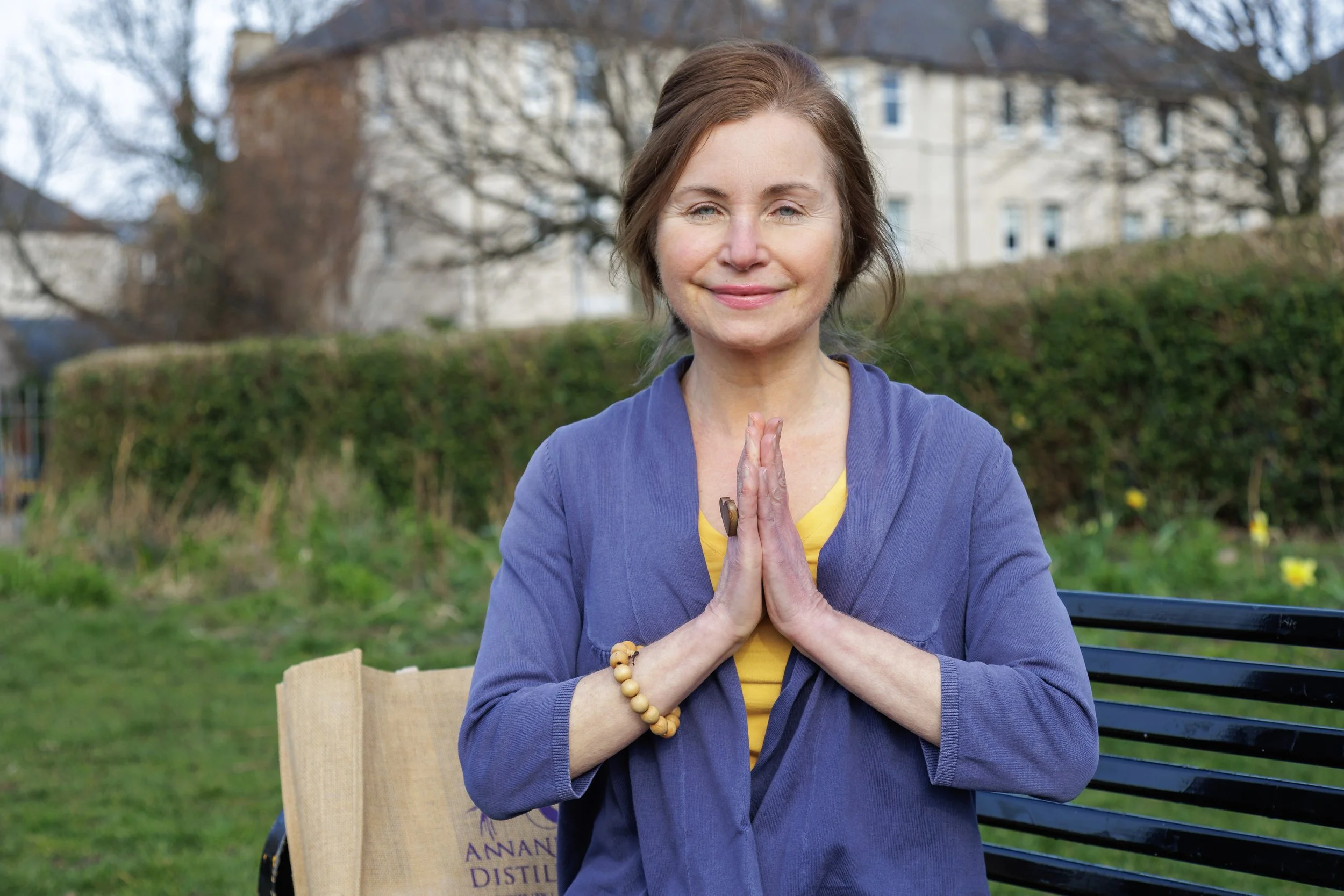
Angela, Dalmeny St. Park – ‘it’s all about mindset’
“I’ve always been passionate about environmental issues and animal rights. I was once carted off by the Police aged 12 for sabotaging a fox hunt. We were chucking eggs and what-not. They just gave us a flea in our ear, but we thought hunting was the most atrocious thing. Later I campaigned on climate change and anti-vivisection and joined Greenpeace.
I studied Immunology at Glasgow Uni., then worked in sales and marketing. I made big bucks but felt I lost my soul. So, at 29 I gave it up and went to Madrid to teach English. I earned a third of what I earned before but was more than three times happier! Then I did a master’s in sustainability at Stirling Uni. That’s guided my path ever since.”
What do you do now?
“I work for East Lothian Council in what is called Community Wealth Building. I work with anchor organisations - usually large public sector bodies - that have spending power, a lot of employees and sometimes land and assets. We aim to get the most out of these organisations for the local community to give local people a stake in that economy. Scotland's the first nation to pass legislation supporting this. If we get it right, we can shake up our capitalist model and make society work for everybody. We’re screening a film called ‘Purpose’ at Leith Depot on 15th April if anyone’s interested in this.”
What’s your biggest challenge?
“In my work it’s the lack of financial resourcing, the complexities of red-tape and the non-local bias of national frameworks. In my personal life I’ve come into disability after a hip operation that’s left me with pain and restricted movement.
But it’s all about mindset.
I started going to a Buddhist meditation class that has changed my mindset into one which can keep itself positive. I’m not a Buddhist, because there are tenets that I can't accept, but it has been transformational for me. It has a spiritual element, but it’s also about implementing what you meditate on. It’s gold dust.”
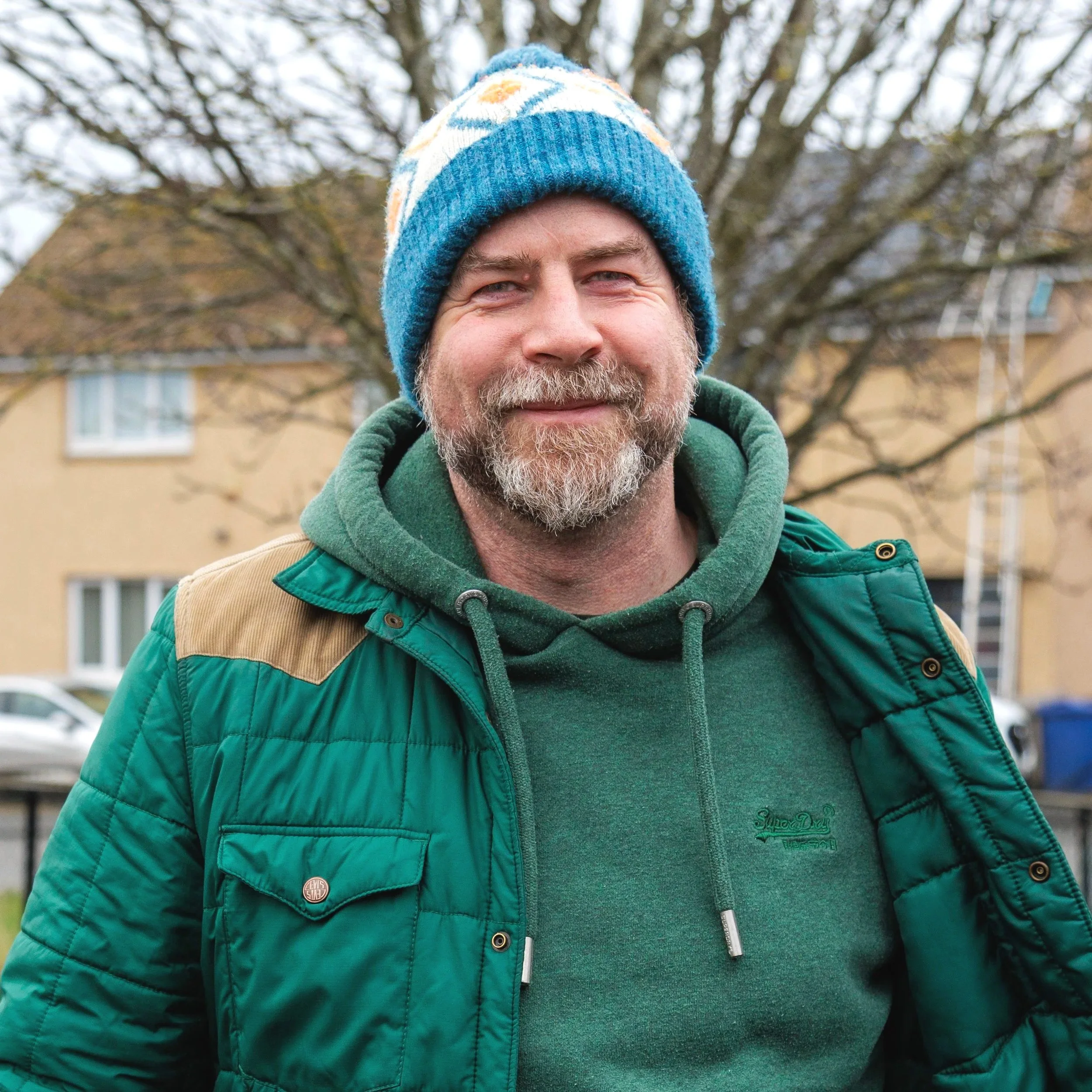
Darragh, Forth View Crescent, Danderhall – ‘a thousand new experiences’
"I grew up in a very remote rural community where things did not change much. But growing up there I developed a love of reading, and that brought a thousand new experiences into my life that would never otherwise have been there. Books open your mind to new worlds, to new possibilities, to other people and their views. To this day, apart for my family, reading is still the thing I enjoy most."
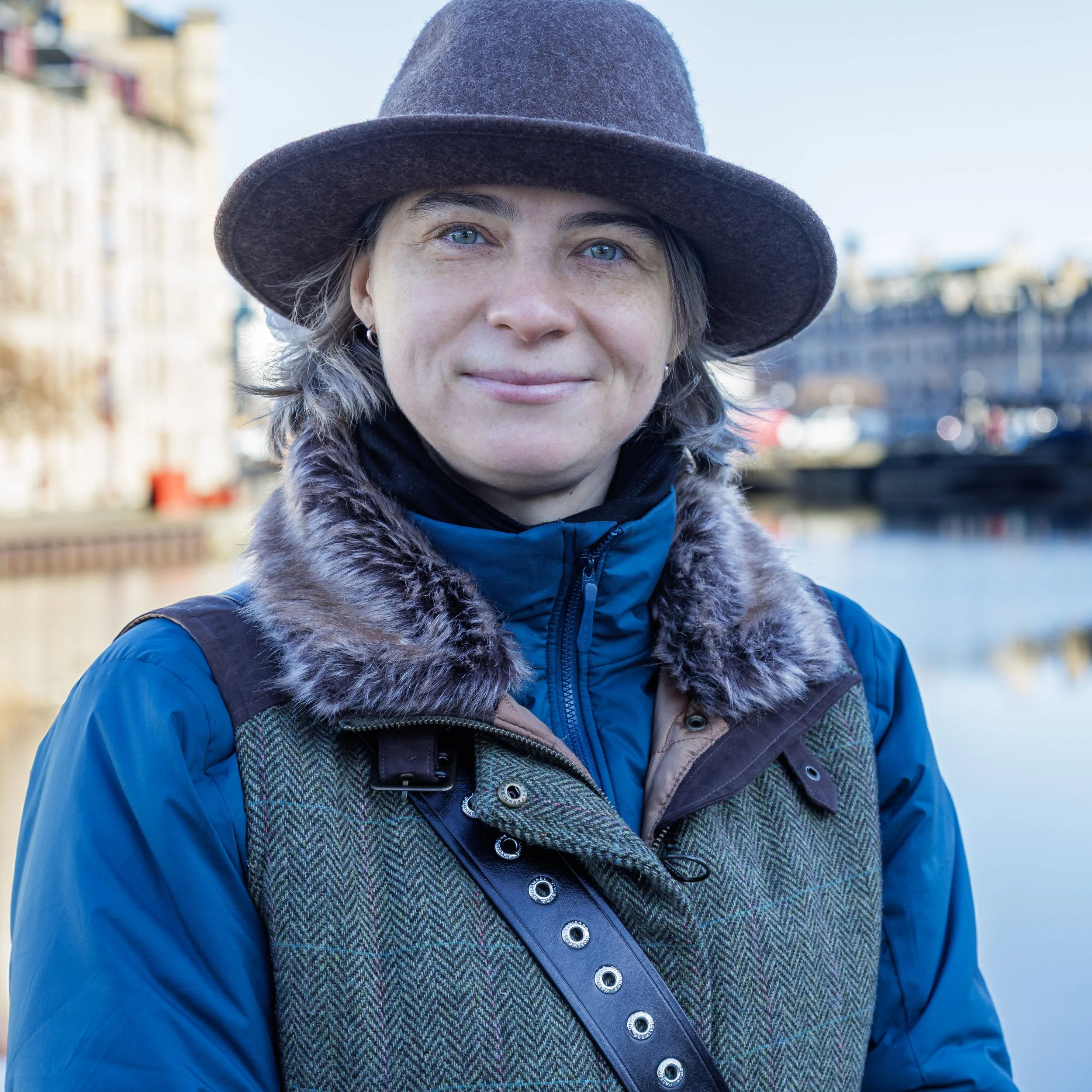
Lida, The Shore – ‘for the rest of my life’
“I'm Russian. I was born and bred in St Petersburg. I had a small flat in the city centre there and I was planning to live in it for the rest of my life. But that completely changed in 2022 when the war broke out. I am married to a Ukrainian, and holding Russian passports is a bit tricky now. It took me a very long time to embrace the situation and stop mourning about everything and just try to figure out a path forward.”
What do you do?
“I work in software development with a remote team. A couple of the guys are in Amsterdam, one in Cyprus and one in Serbia. We’re a very distributed company and we just connect online.
After the war started, I moved to Amsterdam for almost three years but it's just not my place. Then two years ago I visited Edinburgh as a tourist one dark, miserable, cold November and immediately I was like, oh my god, I want to live here! It feels so close to home for me, so special. As I walked the streets in the dark, I could see huge bookcases full of books in almost every living room. This is something that I don't see in Amsterdam. There they usually have huge TV sets or some fancy paintings, but not books. My parents work in education, so it gave me the feeling of being close to home.
It took me two years to prepare to move here, and I’ve just arrived. So, you’ve got me at a very special moment – I feel like I’m having my honeymoon with this city right now. I can’t believe I now live here. Like St Petersburgh, it has so much history. And Scottish people have an extra empathy. I feel that I'm welcomed, even though I speak differently and I look a bit different.”
Can you stay?
“I have a type of visa called the Global Talent Visa. You must prove that you’re a really cool specialist, and if you succeed in doing that, they give you this visa for five years. So, if I'm lucky enough - and if the government doesn't change anything, (please, no!) – I will stay. And I would love to stay here for the rest of my life.”
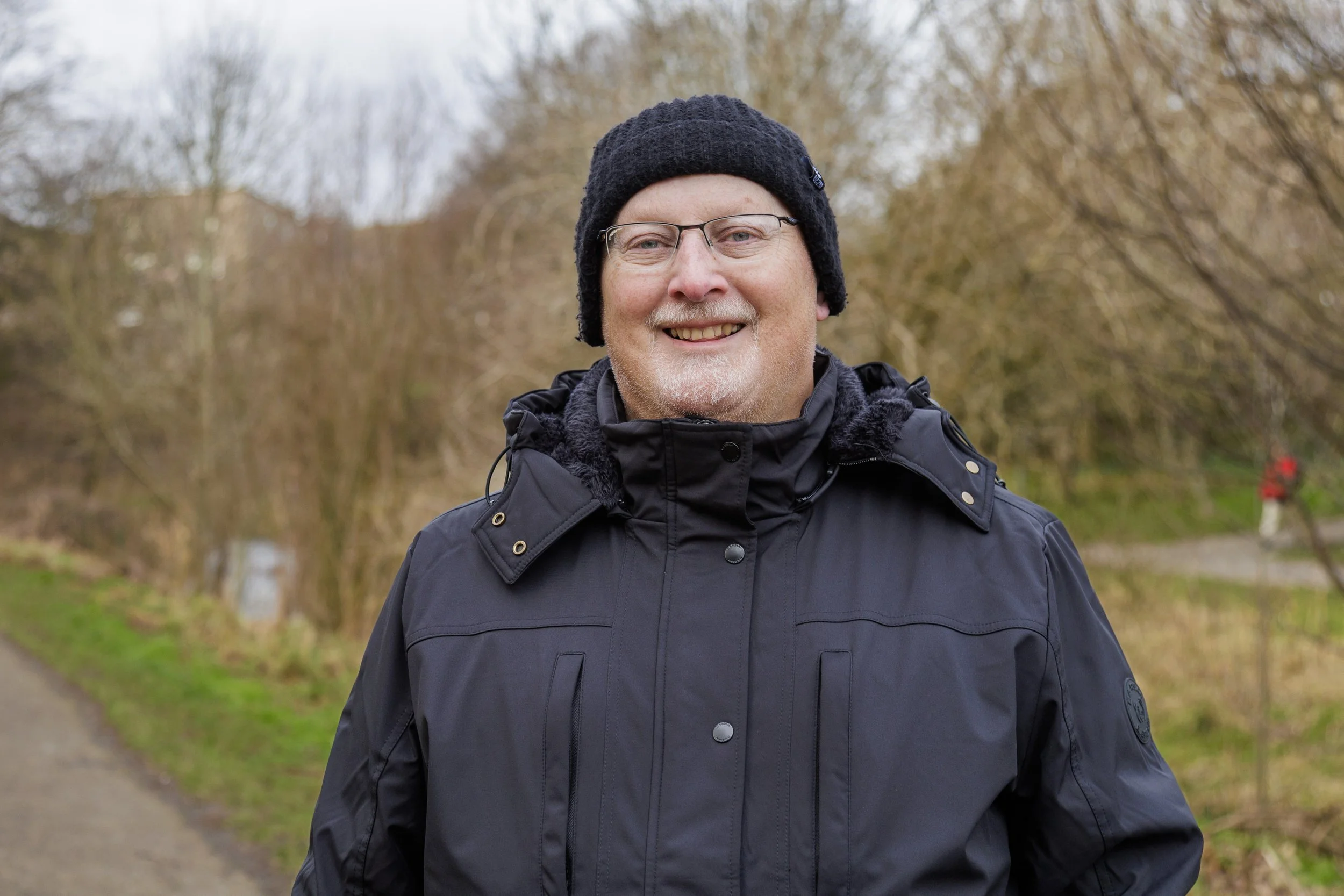
Dave, Figgate Park – ‘treat every day as if it’s your last’
What do you enjoy most in life?
“As someone diagnosed with cancer in 2021, and after two and a half years of treatment, it's about trying to stay as healthy as possible.”
What’s your prognosis?
“They've told me that I've responded to treatment as well as they could have hoped, but they don't talk about cures or remission anymore. They talk about you living with it basically. So, I'm as good as good is. I exercise a lot. I walk about five miles every day and I do set exercise routines every week. I’m on my way to the GP just now, but I’m getting exercise in the park here first.”
What would you say is the most important lesson you've learned from your experience?
“Well, it changes how you think. Every morning when I wake up, I say to myself, ‘It's a good day. I’m alive. This is a good day.’ That's my philosophy now. Some things you thought were so important before, now don’t seem important at all. But I appreciate my life, nature, the health I do have, and especially my wife, my sons and my friends as never before. That’s what matters. Strange as it may sound, one of my challenges as I adapt to this reality is not to allow myself to slip back from this high level of appreciation into the old complacency.
Perhaps the biggest lesson for us all is to treat every day as if it’s your last.”
And is there anything that particularly inspires you?
“The thing that inspires me to want to live as long as I can is my grandkids. I've got a three-year-old grandson and a one-year-old, so they give me lots of joy.”
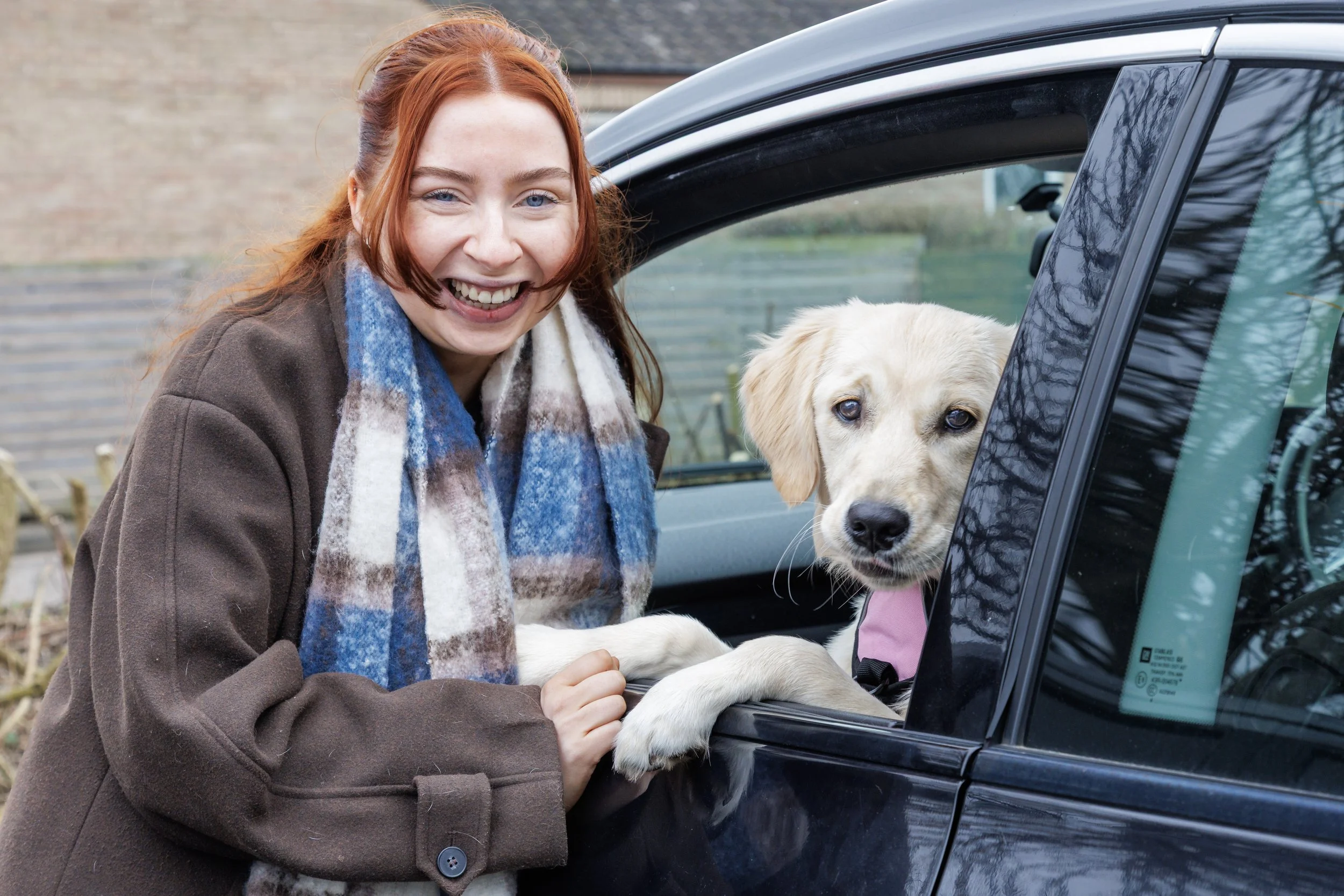
Jen and Lily, Bridge St. – ‘caring for someone that isn’t me’
What do you enjoy most in life?
“Honestly, spending time with my family, my friends and Lily my dog. For a long time I had other priorities, but that’s changed for me. I'm training to be a nurse, now specialising in mental health. It was seeing people lose loved ones and going through hard things that showed me what really matters. It’s not materialistic things; it’s the people you love.”
Do you enjoy nursing?
“Not 12-hour shifts and night shifts when you don’t get paid as a student! But I love working in over-65 healthcare. I love sitting down and talking with them, especially if they don't get many visitors. I feel that I’ve been of help to someone even if it’s just a small thing like making them a cup of tea. I'd never want a job where I don't feel that fulfilment.”
What’s been the biggest hurdle you’ve overcome to get here?
“I think a lot of people struggle with their mental health, and that’s something I‘ve overcome. A lot of students, like me, move and live on their own and it takes a big toll. COVID, of course, made things worse. So, it’s been overcoming that.”
What helped you most through that time?
“Speaking to people like my mum and dad and not keeping everything to myself. Going for help if you feel you need it is important. Going to a doctor helped me a lot at one point. We need to talk about it. Men especially stigmatise mental health. Men are very like, ‘Oh, just get on with it.’ But, no, when what you're going through is horrible you should be able to speak about it.
When it’s hard and everything seems horrendous in the world, it’s also about finding that one thing that makes you happy. Like I love to read, and being able to finish a book gives me a wee dopamine hit – ‘Oh, I've just finished the book!’ Things like that just give you that wee bit of happiness.
And Lily here keeps me on my toes! Again, it's about caring for someone that isn't me.”
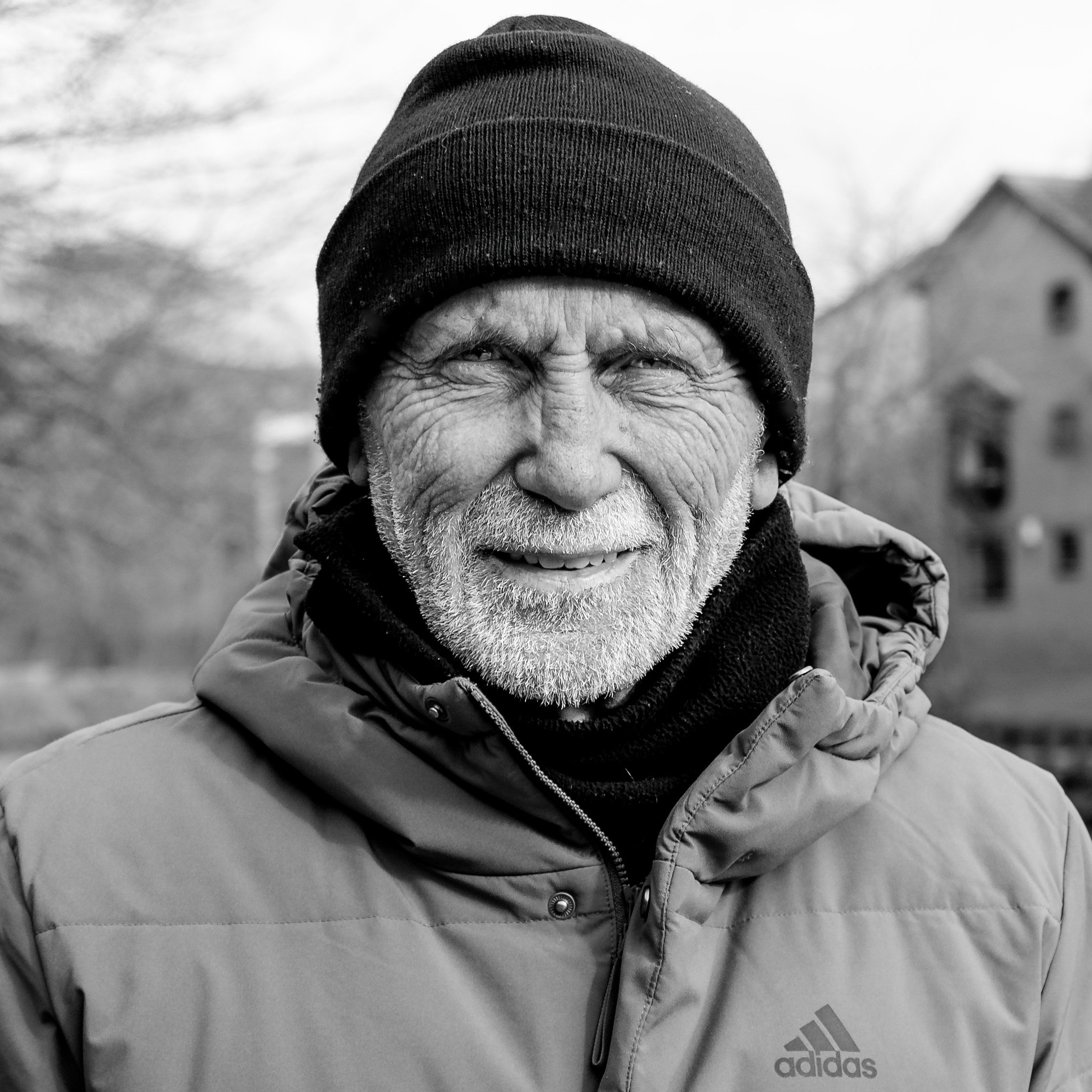
George, Coalie Park – ‘I’m very proud of him’
What do you enjoy most in life?
“Honestly, I’ve got a lot to be thankful for. First, I’m a Leither! I’m 78 and I’ve lived in Leith all my life. It’s a great place, although it’s changed a lot over the years. My wife and I enjoy the normal things in life. We have four grandchildren: one in Fife, two in Wallyford and one in Glasgow. We've got a season ticket for Easter Road, which is great when Hibs are winning although it can be murder too! Then we’ve got Rory our wee dog here. He’s great company, great to have in the house. He’s five now, but we’ve had other dogs before him.”
Pet hates?
“Hearts!”
What’s the best thing that’s happened recently?
"The best thing that’s happened recently has definitely been seeing my son overcome alcoholism. He was a registered alcoholic, but he’s been sober now for three years. He went to various groups for help, including some well-know ones, but that just didn’t seem to work out for him. But he went ahead by himself anyway and he managed to stop. Now he’s got a job and he’s doing fantastic. I’m very proud of him.”
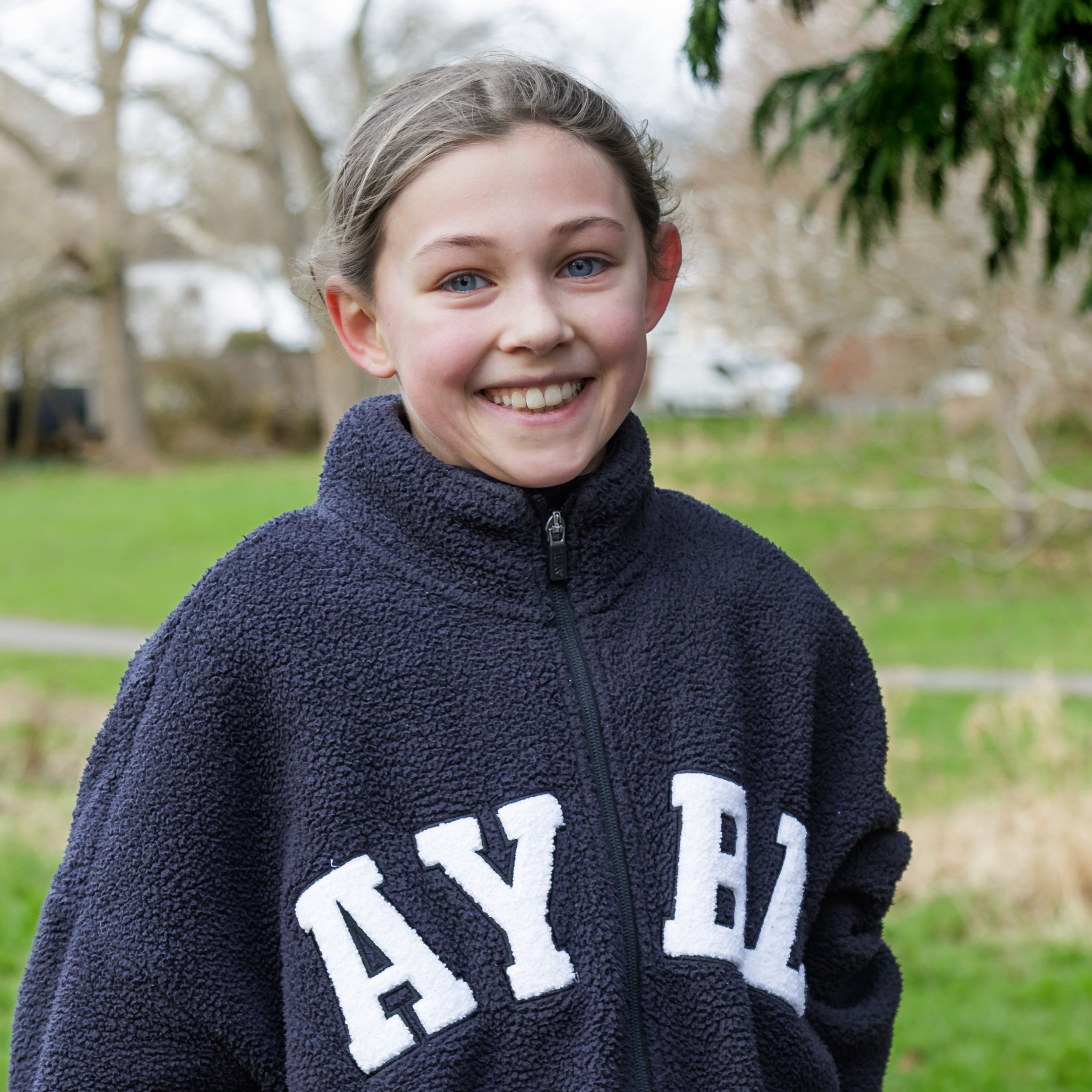
Indie, Figgate Park – ‘we’re going to a competition in Portugal!’
“I usually do a 5k run, but today I’m just doing a 3k. I’m training because I do cheerleading, and we’re going to a competition in Portugal! My family and my whole team are going. We’ll be competing against teams from other countries.”
How many people are in your team?
“About 23, I think. “
When did you start cheerleading?
“Well, I’m 11 now, so it was about four or five years ago. I’d been doing gymnastics, but I wanted to try cheerleading, so I did and then I just really liked it and wanted to keep doing it.”
Have you been to Portugal before?
“No, it’s all a big adventure for us!”
(Posted with parental permission)
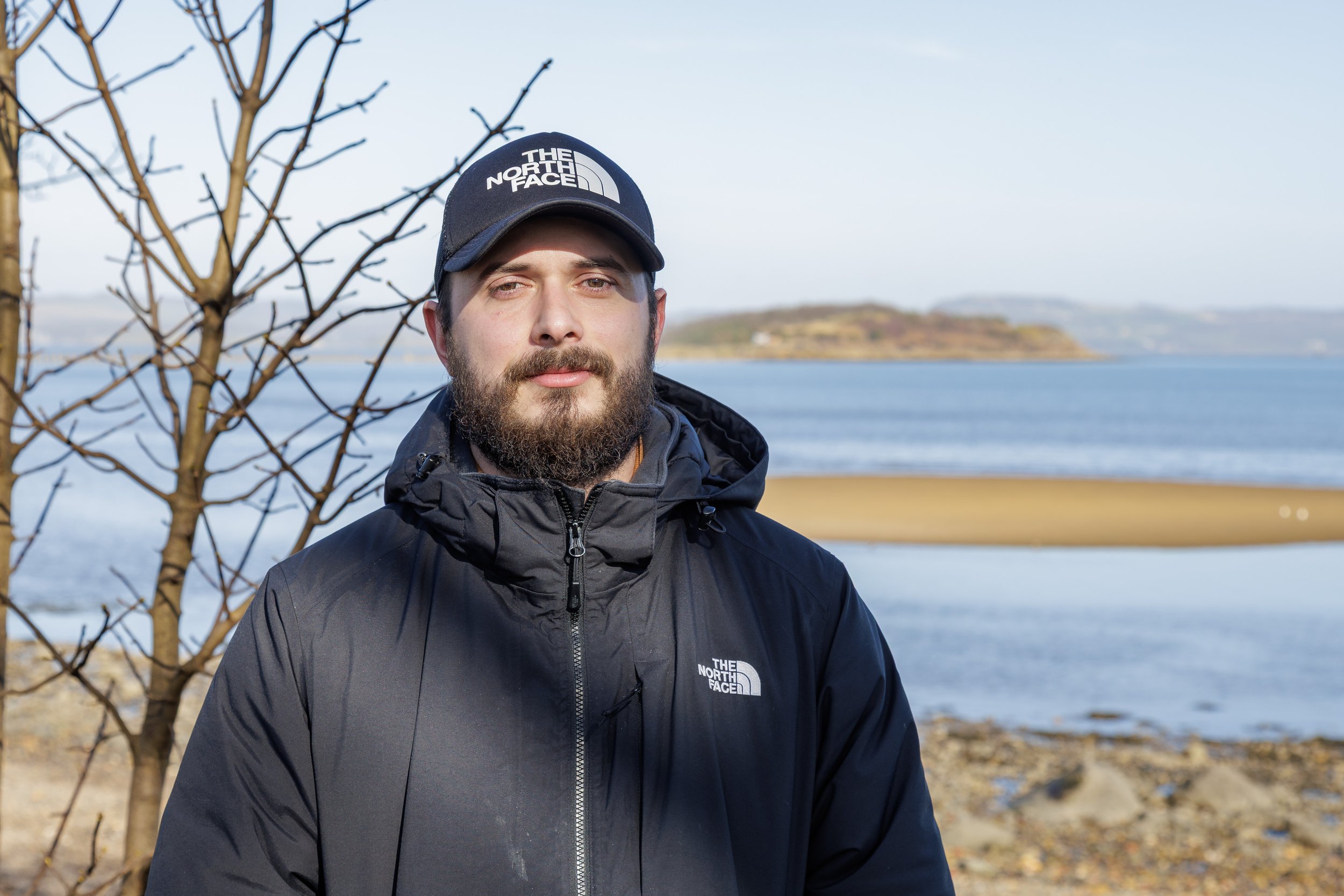
Daniel, Cramond – ‘a life-lesson’
“Having kids was one of the best decisions I ever made. I know that might sound weird because a lot of people moan about it, and I probably do too sometimes, but it’s an amazing thing to raise kids up the way you can.”
What is it that you enjoy so much about them?
“It's their smile and how pure and innocent they are. They don't know how to hate or understand so much of the stuff that’s destroying this world. They have no idea how that works. They're awesome.”
What’s the most challenging part of parenthood?
“Trying to succeed financially. My wife and I work full-time and rent a place. When the government lifted the rent cap two years ago our landlord doubled our rent from £750 a month to £1500. We looked for other rents in the area, but we couldn't find anything. Yeah, that has destroyed us.”
Do you have a plan?
“We're thinking of moving to Norway. My sister-in-law is married there, and she has an amazing life. It's safe, good money, a healthy lifestyle, and family time is very important. My nieces and nephews there have a great education, and they learn many other things in school like swimming, snowboarding and skiing. We come from Romania, so we don't need visas or a job contract before we go. We just go straight in, go to the police, tell them where we’re staying and then you can start working. So, I think our plan is to move in the next few months. It’s just trying to offer our kids the life we didn't have.”
Would you give any advice to your 15-year-old self?
“Stay in school and keep learning! I made a lot of mistakes in high school, and now I can see how they’ve affected me. My brother in Romania is making more money than me and my wife combined. He says to me, ‘When you were outside playing football, I was inside studying. So now you're picking boxes in a warehouse and I'm sitting in a brand-new car.’ He didn't say that in a bad way; he was just saying it as a life-lesson.
But thankfully, learning is a life-long opportunity.”
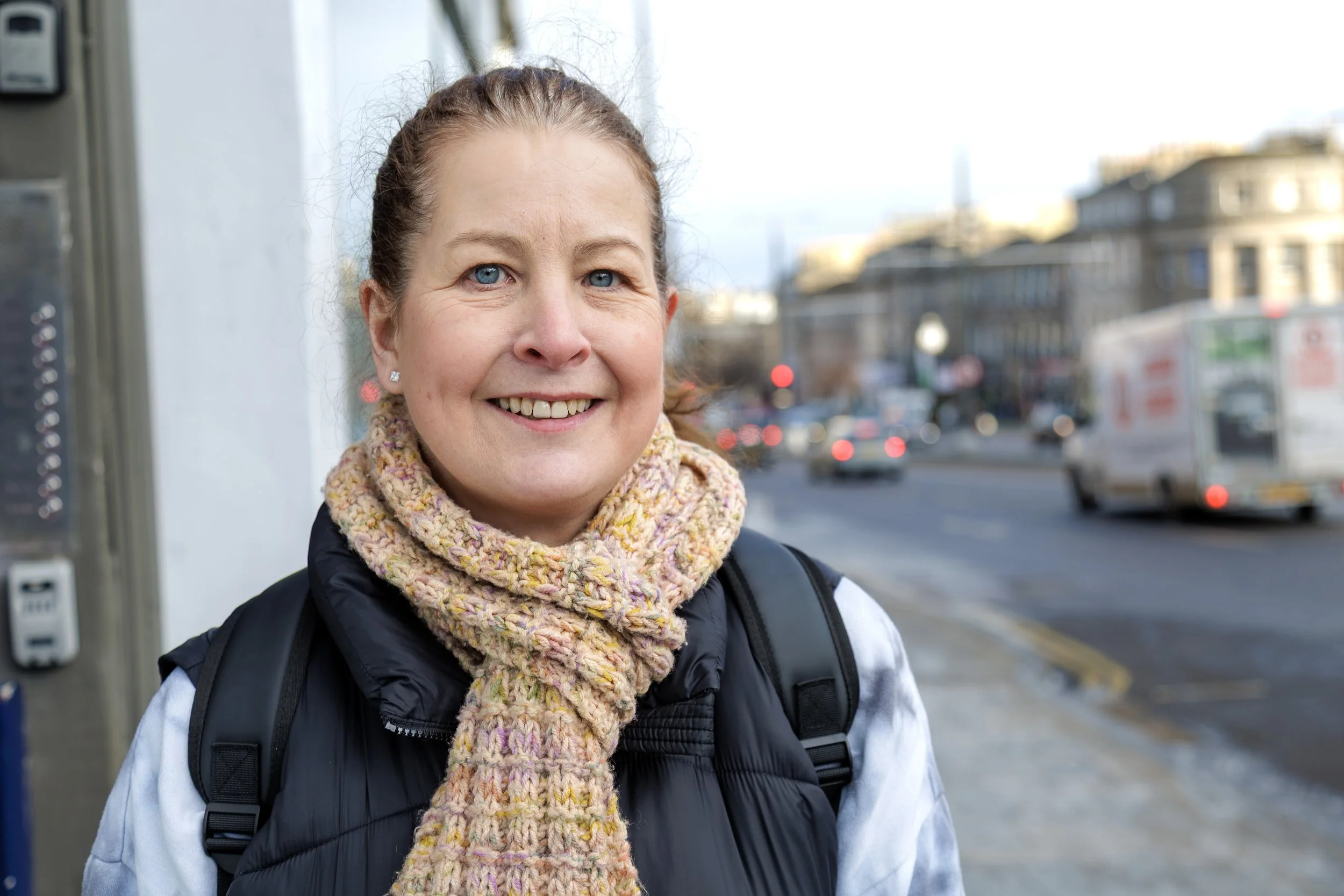
Michelle, Union Place – ‘go and make it happen’
“I retired six years ago from a career in finance. It’s been one of my best decisions.”
What do you enjoy most in retirement?
“Volunteering in Edinburgh with Vintage Vibes and MCP Pathways. Vintage Vibes help elderly people struggling with loneliness and isolation. MCP Pathways help school pupils in the S3 to S5 range.
I’d recommend anyone over 60 who’s struggling socially to contact Vintage Vibes. They very carefully match individuals to volunteers, and we build a close one-to-one relationship with that person. I've been supporting a ninety-eight-year-old lady for four years now. We go out for coffee, or lunch, and do a bit of shopping. She loves charity shops. It's a real lifeline for her and her health.
With MCR Pathways I go into a high school for an hour a week and connect with a pupil in S3, S4 or S5, who just needs their confidence built up. You're a safe pair of ears for them, somebody who will listen and talk with them. It's up to them what we talk about. We could talk about cinema, what they did at the weekend, what music they like or schoolwork. I helped a pupil with her French, for example, but it can really be anything.”
Were you always a mentor?
“No! As a child I was very, very shy. I would never have thought of doing anything like this.”
What changed you?
“Working with the right people who helped build my confidence. They’d pull me up - in a good way - and say, you know, ‘You didn't say anything there, but I know you've got a valuable contribution. What can go wrong? Just do it.’ And then you try it and think, actually, I can do this. And what's the worst that can happen? It just takes somebody to see what's in you and help you to see it for yourself.”
If you could visit your teenage self, would you give yourself any advice?
“Just be more confident and outgoing. Don't wait for it to happen, go and make it happen yourself.”
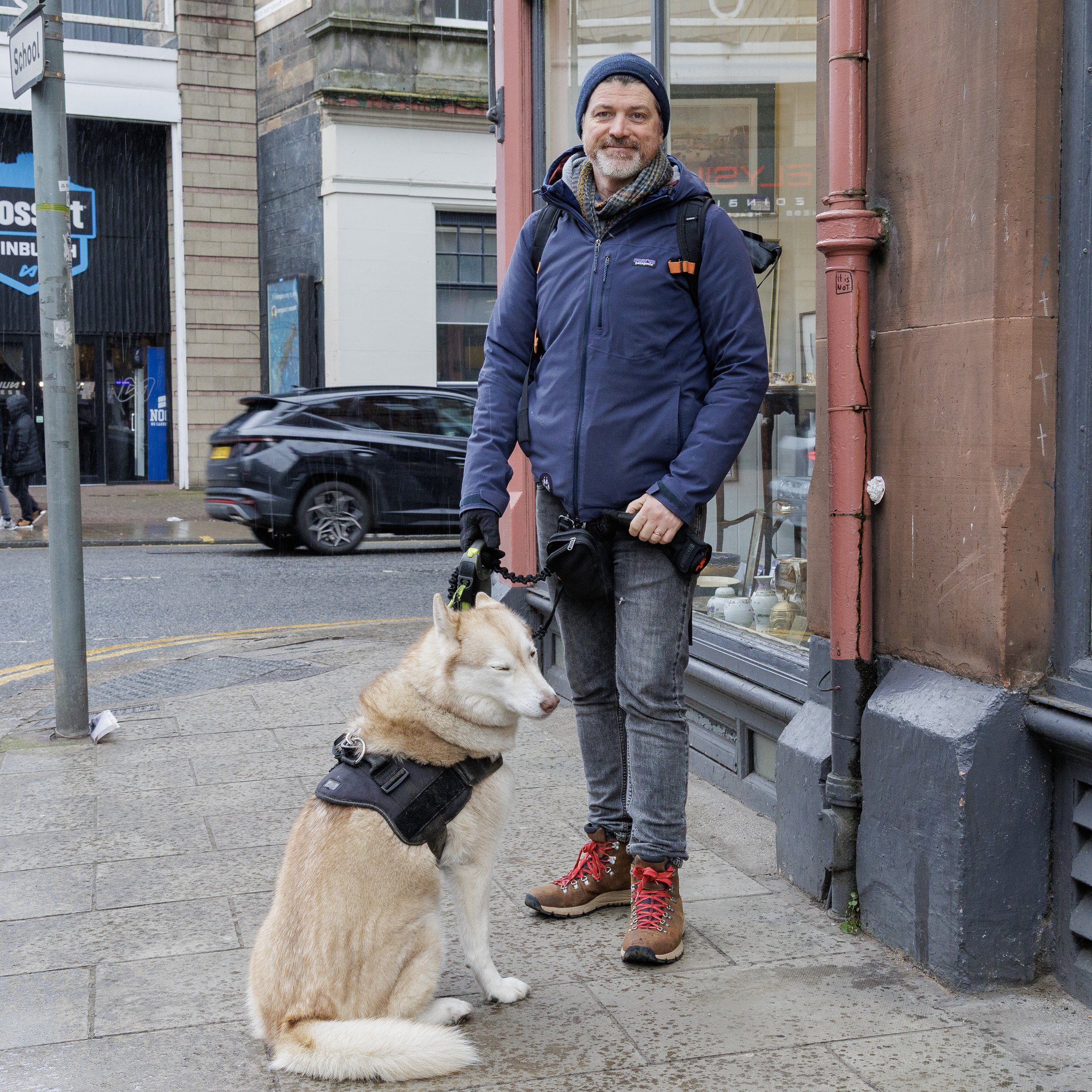
Ian and Mina, Academy Street – ‘it works if you persevere’
“My day job is working on climate change. I work for a non-profit called Changeworks. We’re doing a lot of work on trying to address that level of global challenge. I’m originally from the USA and worked in Paris for 12 and a half years before I moved to Edinburgh. I've been in Scotland for almost a decade. It’s important work, but it can be really wearing when you feel like no matter what you do, it takes a while to get stuff to change.”
What do you enjoy about life here?
“My family has always had dogs, but I haven't really lived anywhere before Edinburgh to be able to have one myself. Now we have enough space around us to have Mina. She’s good company. She keeps us on our toes and gets us out of the house, which is important because it's really easy sometimes to just stay home and find reasons not to get out. So we love just getting out with her, discovering places to go and walk both outside and within the city. Another great thing about a dog is that it’s something to take care of. It’s rewarding.
When you move somewhere new putting yourself out there to meet folks and rebuild a new group of friends and a community isn't always easy. I like to do stuff with my hands, so I go to weaving classes at Coburg House on Coburg Street. There’s a weaving studio there called Pick One that does evening and weekend classes which I’ve really enjoyed for the last few years.
Getting around and meeting folks isn’t always easy, but it works if you persevere and keep going.”
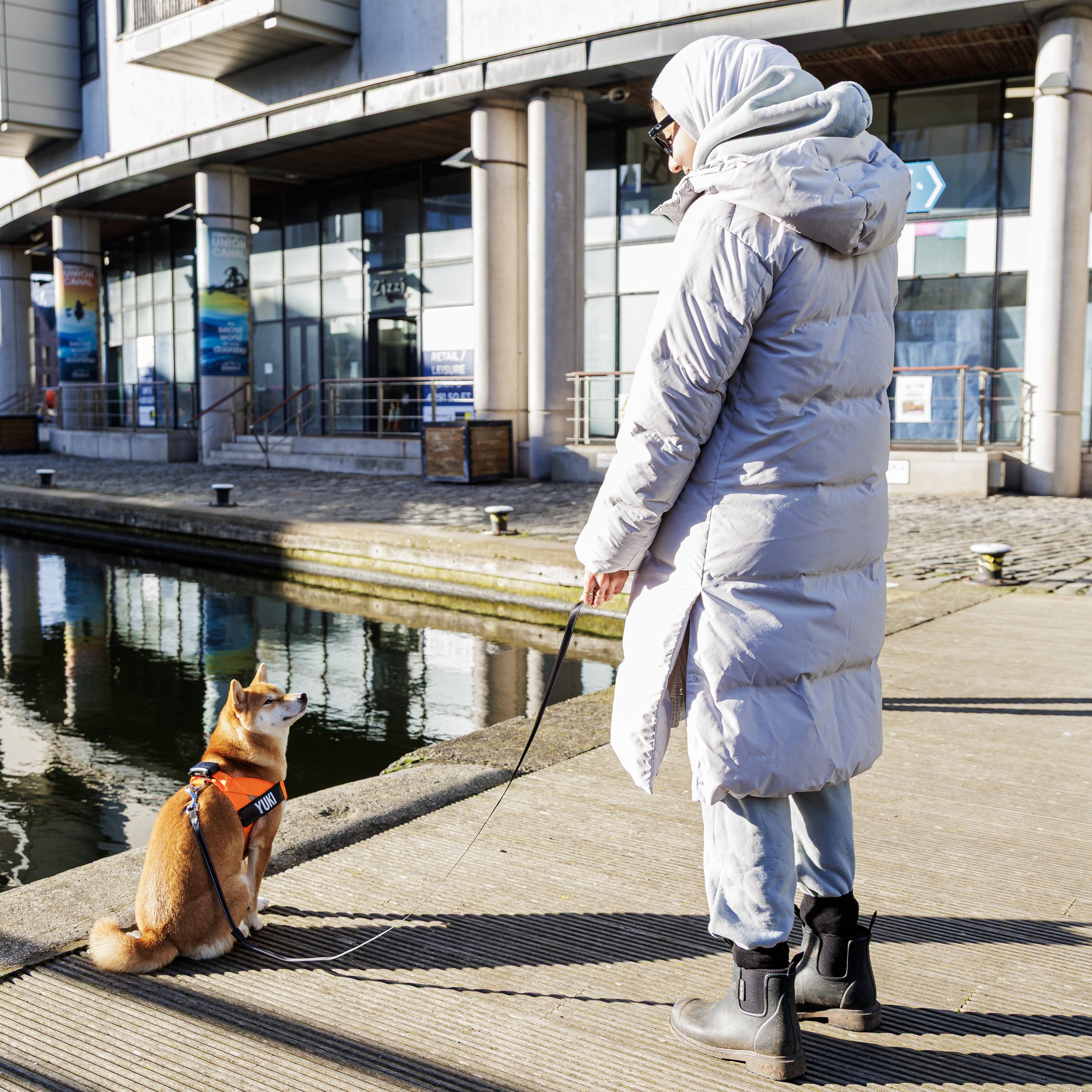
Farah and Yuki, Lochrin Basin – ‘she’s changed me’
(Farah asked not to facially photographed)
“I’m from Kuwait. I’m employed by an engineering company there and they’ve sponsored me to come to Edinburgh to do a Ph.D. I’m one and a half years in, with two and a half years still to go.”
What’s been the most challenging aspect of moving here?
“Leaving my family. I have four siblings and, in our culture, we don't live separately from our parents until we marry. So, even though I'm 30, I'm still living with my parents. Even when we leave to create our own families, we remain very connected and bonded. The way families here come together during Christmas and these sorts of occasions is how we normally gather all through the year - almost every week actually. So being alone is a bit challenging for me.”
What’s been your best experience here?
“Well, Scottish people are very friendly, and there’s a great community around me here. But getting Yuki my dog has been one of the best things ever in my life! Enjoying her company has been amazing for me. She’s changed my whole routine, and she’s changed me as a person because I used to be very scared of dogs. But I just got over that phobia by becoming her owner 14 months ago!”
Will she go back to Kuwait with you?
“Of course!”
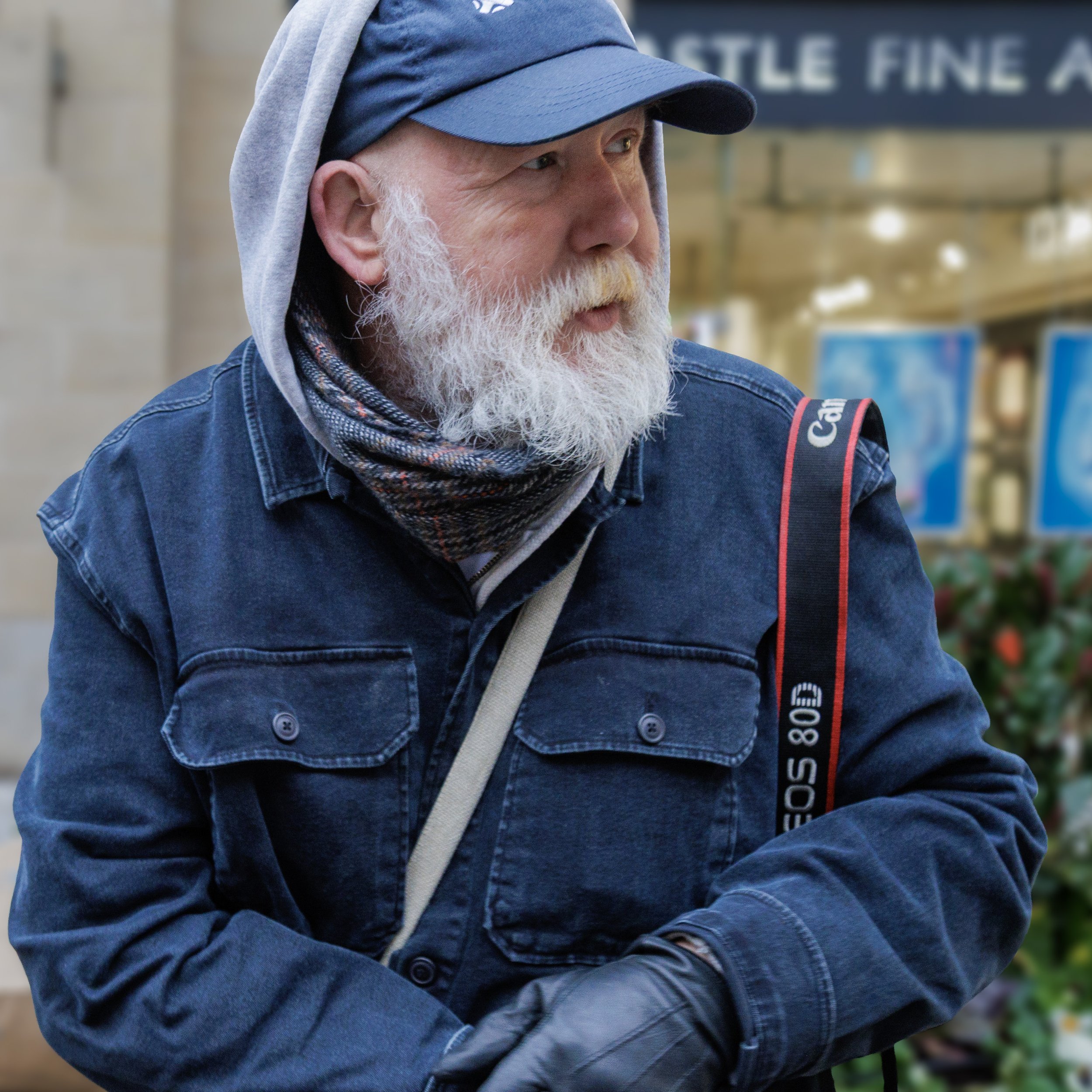
Christopher, Multrees Walk – ‘battle scars’
“Battle scars are battle scars. You might heal, but, you know, you're left with wounds. But make a joyful noise unto the Lord, because you wake every day and you've got opportunities. Nobody holds you back apart from yourself so it's good to strengthen your will and your determination and be open to the opportunity and chance that comes your way. Fortune favours the brave. You can give up on yourself and all those things, you know, but God Almighty doesn't give up on you.”
What’s the best thing that’s happened to you recently?
“This conversation.”
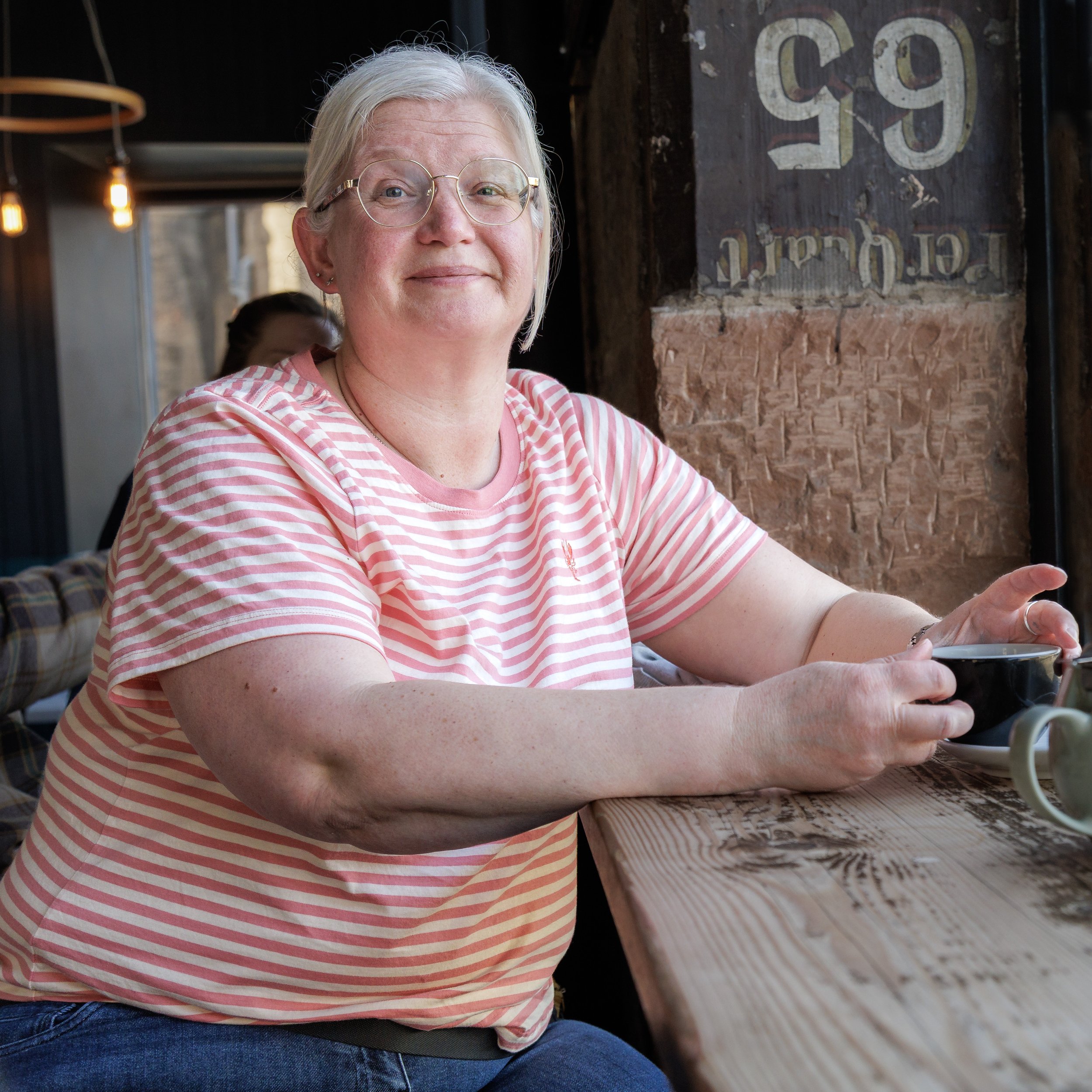
Elaine, Toast Café, Leith – ‘I’m working with Matilda’
“I do performance captioning for live theatre, which really is a bit like putting the subtitles on your telly, but for live performance. I’m currently working with Matilda at the Playhouse here in Edinburgh, but I work in theatres and other performance venues around the country. I've been doing this now for 12 or 13 years.”
How did you get into that work?
“It was completely by accident. I was originally studying psychology and there was a gap of a couple of months in the course. I have a tendency to sometimes get a little bit bored or disillusioned, and at that point I just think I needed to keep learning to keep my brain active. So, to fill the gap I started learning sign language. I loved that and I never went back to the psychology. But when I was studying sign language, somebody who was working in theatre approached me and asked if I would like to train to do theatre performance captioning for the hard of hearing. It sounded interesting, so I said yes. It meant I had to step back a bit from learning sign language, but all these years later here we are. I've got a lot of variety in what I do and I'm really lucky to see the shows that I do.”
Where does your work take you?
“Mainly to theatres on the east of Scotland, so Inverness, Aberdeen, Dundee and sometimes Edinburgh. Usually in a month I would probably do two shows, but there are certain months of the year that are really busy with theatres so this month I'm doing four and in May I'll do a lot and in December I'll do a lot and the rest I try and keep it on the average.”
Job satisfaction out of ten?
“Oh, I think I'm lucky to have about a 10.5!”
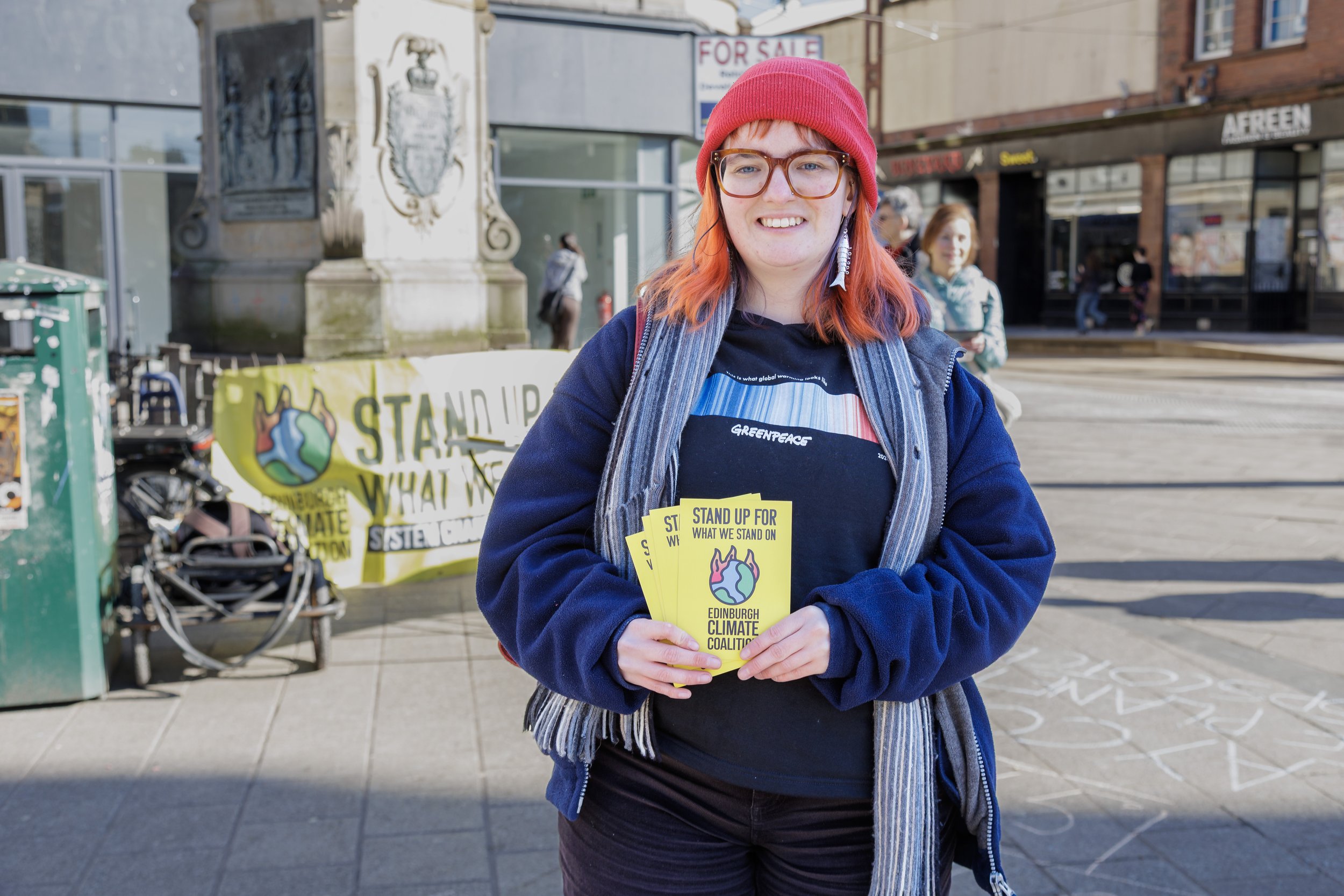
Em, Newkirkgate – ‘together we can change things’
“I have a degree in biology and a master's in conservation and I work as an engineer at a renewable energy company. So, all of this is very much up my street. I’m really passionate about it.
I'm here with the Edinburgh Climate Coalition. We’re a climate and activist group, just trying to figure out what's going on with climate change and speak to the people of Edinburgh and reach out to them.”
What would you say to someone who feels a bit helpless in the face of it all?
“I would say that there’s power in the people. Be politically active, speak to your MSPs, they represent you, they represent what you want, they have to reply to you, they have to take it on board. I know sounds like rhetoric, but it’s true. Together, we can change things. I think a lot of people fear that maybe they're just talking to a blank face, but I don't believe that's true. Your vote matters, so vote.
I'm a big believer in buying second-hand. Most of the things I own are second-hand or vintage thrifted and it can be really trendy. Or just repairing instead of discarding things. If you look at a lot of what’s in your wardrobe and around your house, you can patch it up. If you don't know how to do that, there are repair cafes everywhere. There's one just around the corner from us here called the Edinburgh Remakery.
Public transport is another big plus. Edinburgh's got great public transport.
I’d also say - and this is maybe controversial for some people - look at your diet. So, red meat is actually quite bad for the environment. And I'm not saying that you have to go vegan, just to try a meat-free Monday or swapping out some choices or try tofu. I think it's fantastic. Just give it all a go and make little adjustments. I'm not into extremism. I don't think that works for people.
And come and join us!”